

BOOKS
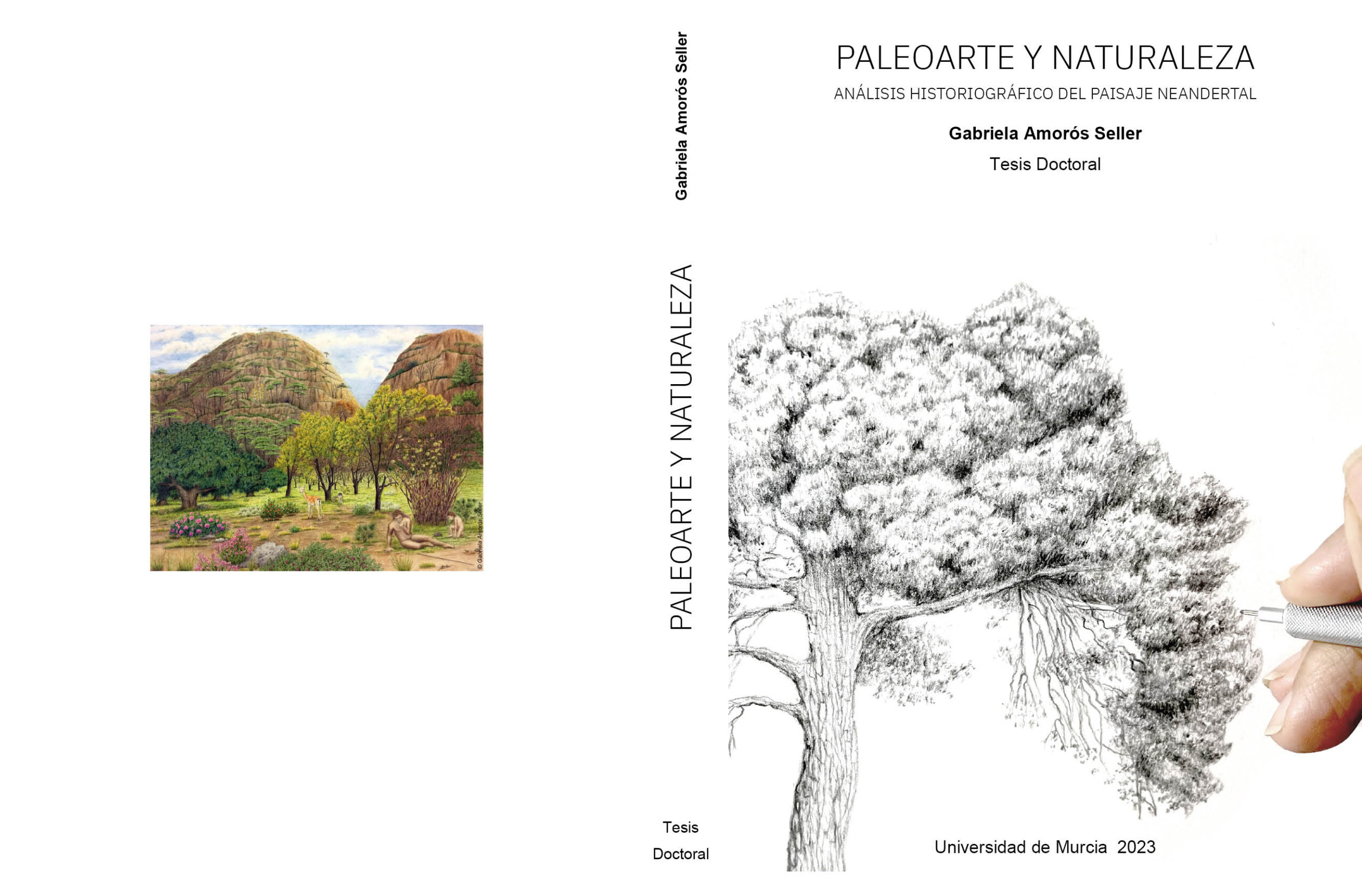
PALEOART AND NATURE. HISTORIOGRAPHICAL ANALYSIS OF THE NEANDERTHAL LANDSCAPE
This thesis starts with a conceptual and methodological mise en scène of the artistic discipline called Paleoart, which is the one that makes visible, through images, the study material that we need so as to analyze a shift in our visions on the Neanderthal and its landscape throughout history. We undertake the dogmatic task of disserting on the nature of Paleoart as public art, as well as on its history, methodology, tools, issues and sources of various kinds that launch its historiographical, landscape and informative work. In the second part of the thesis, a critical review of the Neanderthal concept and its landscape is performed from the various iconographic materials, and from our own paleoanthropological and paleobotanical results, also taking into account the derivations and changes that it has experienced throughout of Science and according to the fossil records and the latest arguments of each period of iconographic expression.
http://hdl.handle.net/10201/129404 Show more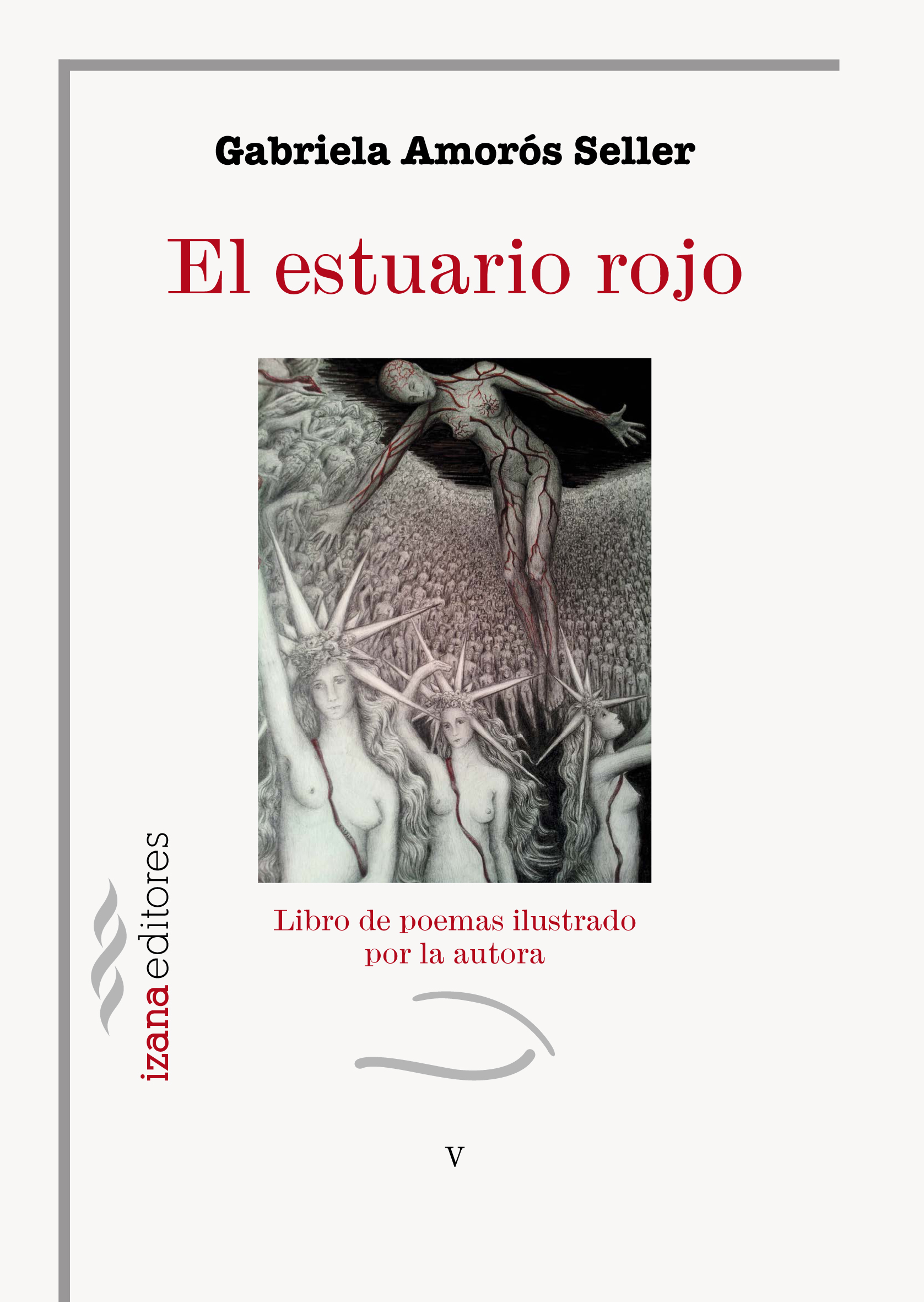
EL ESTUARIO ROJO
Under the title La Fragua Cero (The Forge Zero), the author draws on her writing and leads it through the chiaroscuro of a workshop in which, through Shadows, Flashes and, finally, Light—manifestations typical of a forge—‘language opens up to return it to its original incandescence, as I believe the poetic experience achieves.’ Thus, the content of La Fragua Cero has been divided into three sections: Shadows, Sparks, and Light. The Shadows section comprises a total of nine stories, arranged according to their density and darkness. The Glimmers chapter consists of a series of short verses, in a stripped-down and more resplendent language, understood as the sparks that fly, announcing the light, which is none other than poetry.
https://www.casadellibro.com/libro-la-fragua-cero/9788494271205/2445060?srsltid=AfmBOorGeGfPbM6AGA8rvFVEG9GsFuQ7k8lqK3-oejpk7Sp8rWKmzrzJ Show more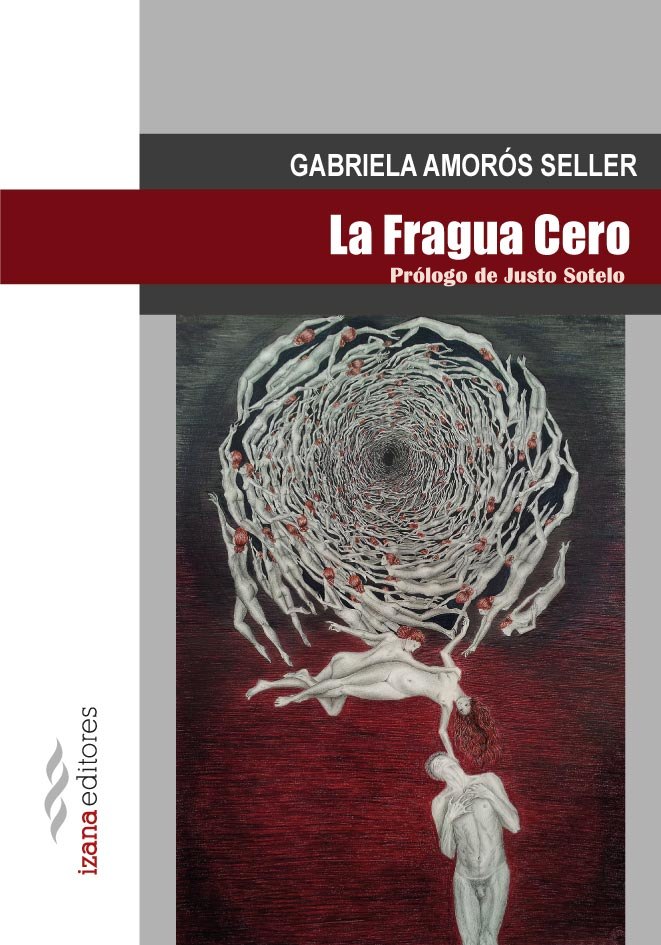
LA FRAGUA CERO
Under the title La Fragua Cero (The Forge Zero), the author draws on her writing and leads it through the chiaroscuro of a workshop in which, through Shadows, Flashes and, finally, Light—manifestations typical of a forge—‘language opens up to return it to its original incandescence, as I believe the poetic experience achieves.’ Thus, the content of La Fragua Cero has been divided into three sections: Shadows, Sparks, and Light. The Shadows section comprises a total of nine stories, arranged according to their density and darkness. The Glimmers chapter consists of a series of short verses, in a stripped-down and more resplendent language, understood as the sparks that fly, announcing the light, which is none other than poetry.
https://www.casadellibro.com/libro-la-fragua-cero/9788494271205/2445060?srsltid=AfmBOorGeGfPbM6AGA8rvFVEG9GsFuQ7k8lqK3-oejpk7Sp8rWKmzrzJ Show more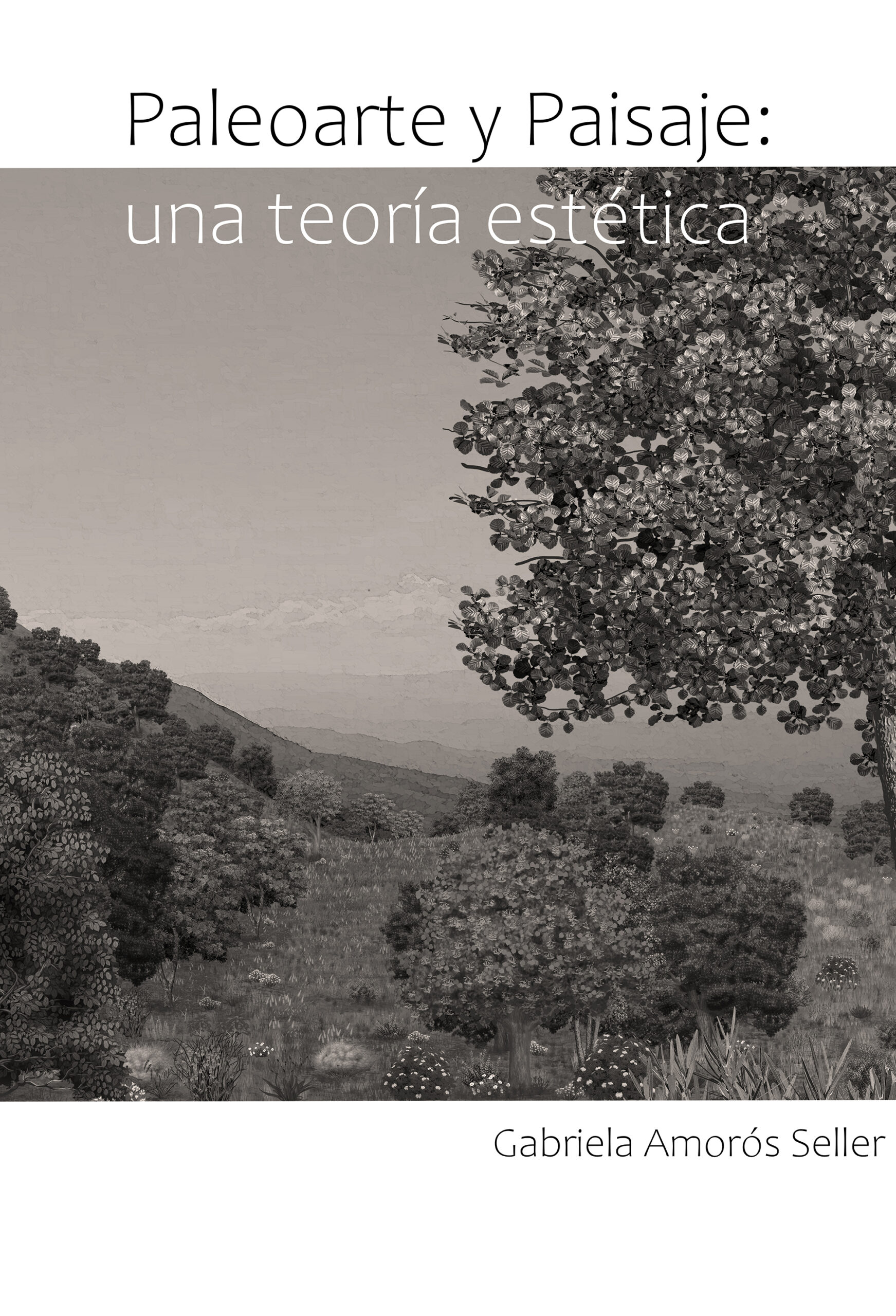
PALEOART AND LANDSCAPE: AN AESTHETIC THEORY
This book, entitled ‘Paleoart and Landscape: An Aesthetic Theory,’ attempts, at most, a kind of commitment to research and thought. We have sat down to think about Paleoart, and we have not done so without help, as we have taken the liberty of approaching great thinkers, humanists, philosophers, writers, and scientists from various fields who have undoubtedly expressed their ideas while we presented them with the existence of something that perhaps most have not known about, or many have not identified with the term Paleoart. Some of them were not even aware of the existence of a remote period of time that we call Prehistory.
https://doi.org/10.6018/editum.3108 Show more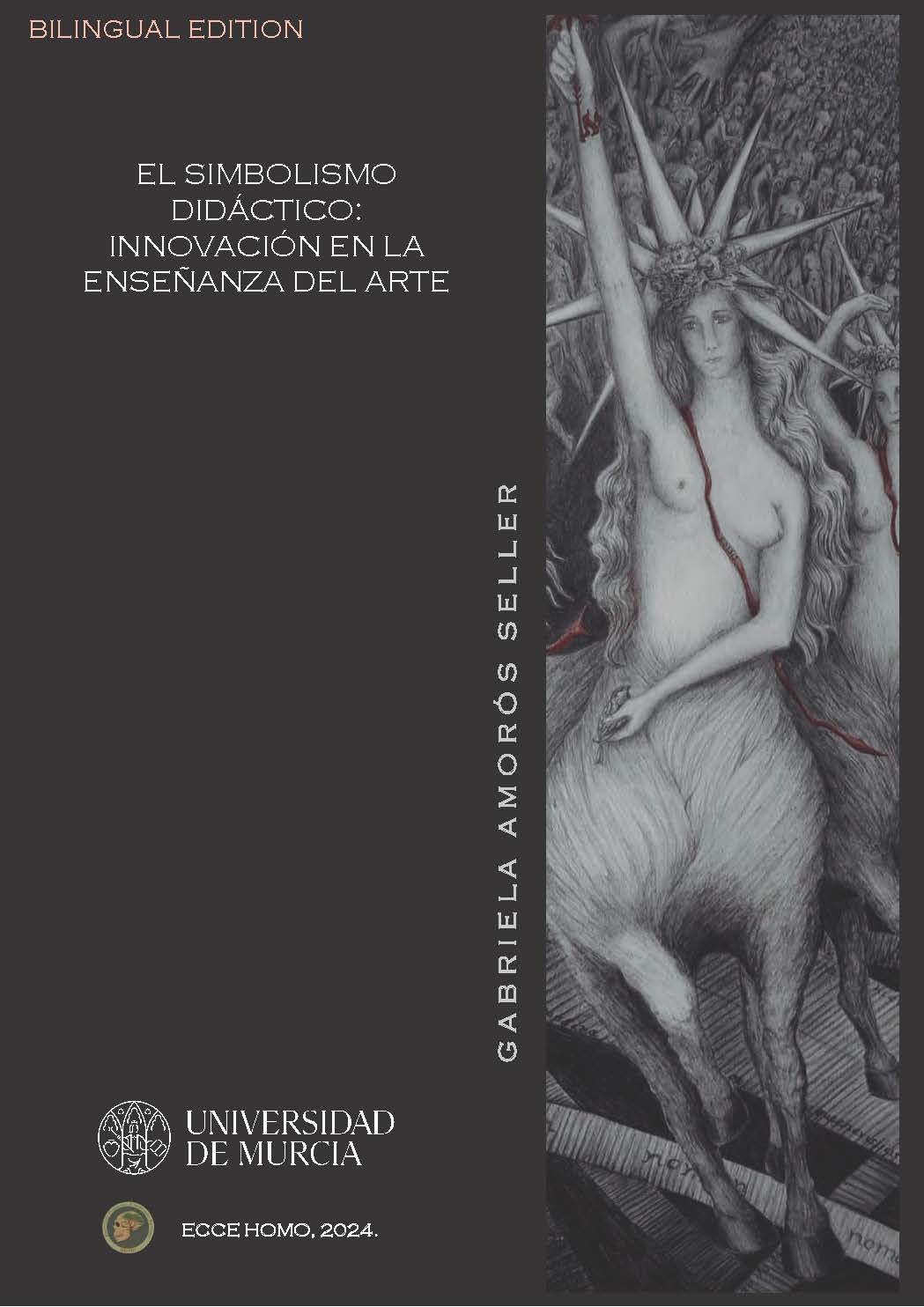
THE DIDACTIC SYMBOLISM: INNOVATION IN ART EDUCATION
This book, The Didactic Symbolism: Innovation in Art Education, invites readers to explore a new way of understanding and teaching art through multidimensional perspectives that intertwine symbolism, history, prehistory, mysticism, and aesthetic theory. This innovative didactic approach stems from the author’s experiential engagement during the exhibition of her works, where professors and students from diverse disciplines, particularly Art History, participated in an active and transformative dialogue with the pieces presented. The artistic work compiled here, accompanied by detailed interpretative texts, represents not only a collection of visual creations but also a unique educational resource that fosters active, critical, and reflective learning. In this sense, the book positions itself within the realm of teaching innovation by offering alternative methodologies to address artistic content through integrative perspectives, promoting connections between the symbolic and the everyday, the academic and the experiential.
https://doi.org/10.5281/zenodo.14566656 Show more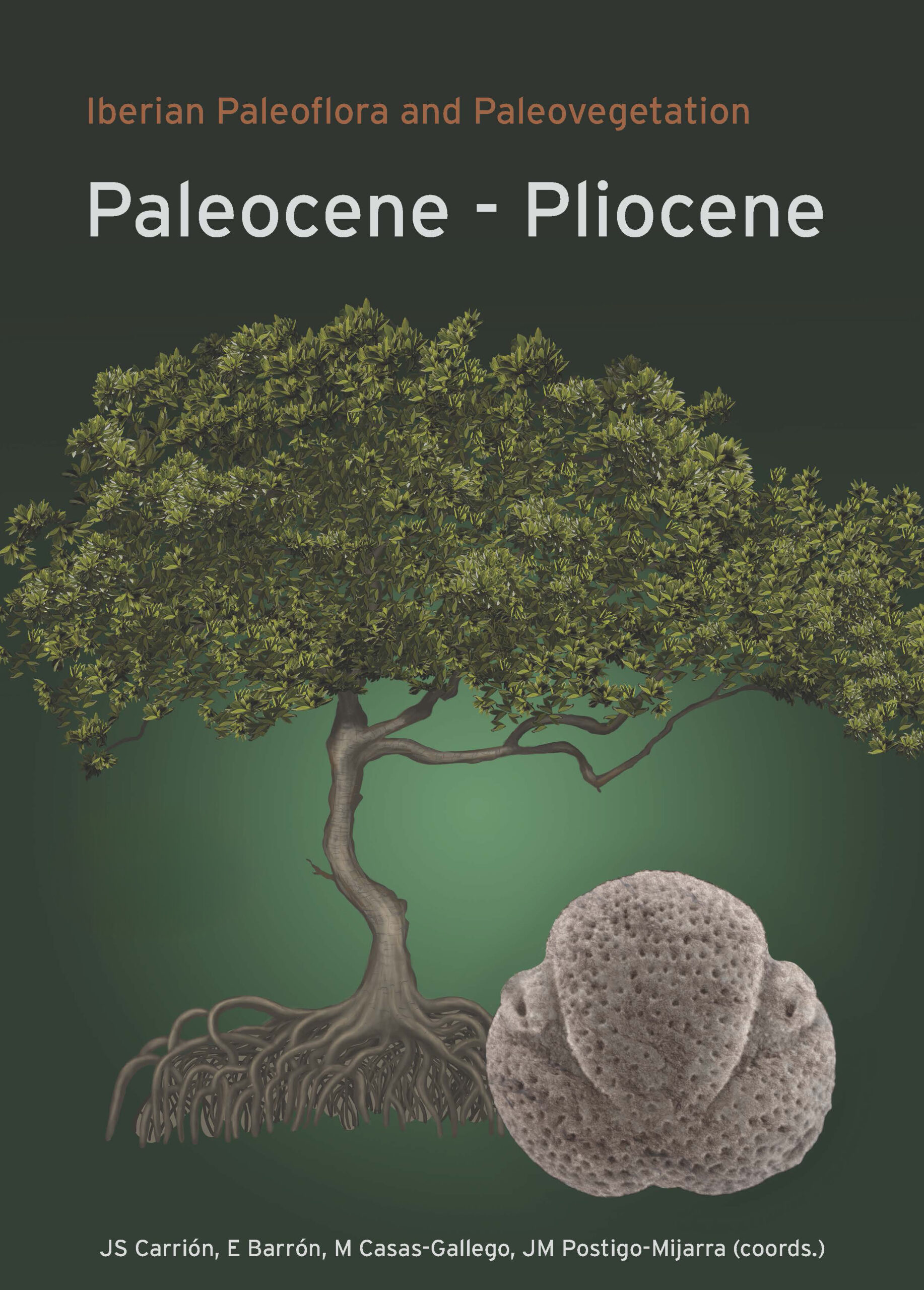
IBERIAN PALEOFLORA AND PALEOVEGETATION. VOL. I: PALEOCENE-PLIOCENE
This work is a series of monographs that reconstruct the history of the past vegetation of the Iberian Peninsula and the Balearic Islands through the exhaustive compilation and synthesis of the main palaeobotanical records published for these territories, covering a time frame of some 66 million years stretching from the present to the beginning of the Palaeocene period. For each of them, the current state of their environment is described, noting their physiographic, climatic, floristic and vegetation characteristics. This information is followed by the available palaeobotanical data, either through tables of pollen and spore diagrams of the most represented plant groups, anthracological, carpolological, phytolith and other plant remains, as well as precise chronological information for their temporal location. The results are presented with an abundance of tables, illustrations, photographs, stratigraphies and synthetic diagrams that make the content easily accessible to all researchers interested in plant knowledge, regardless of their training and specialisation. Volume I (Paleocene – Pliocene) covers data from the period between 2.59 and 66 million years ago.
https://www.paleofloraiberica.org/ https://doi.org/10.31428/10317/16813 http://hdl.handle.net/10317/16813 Show more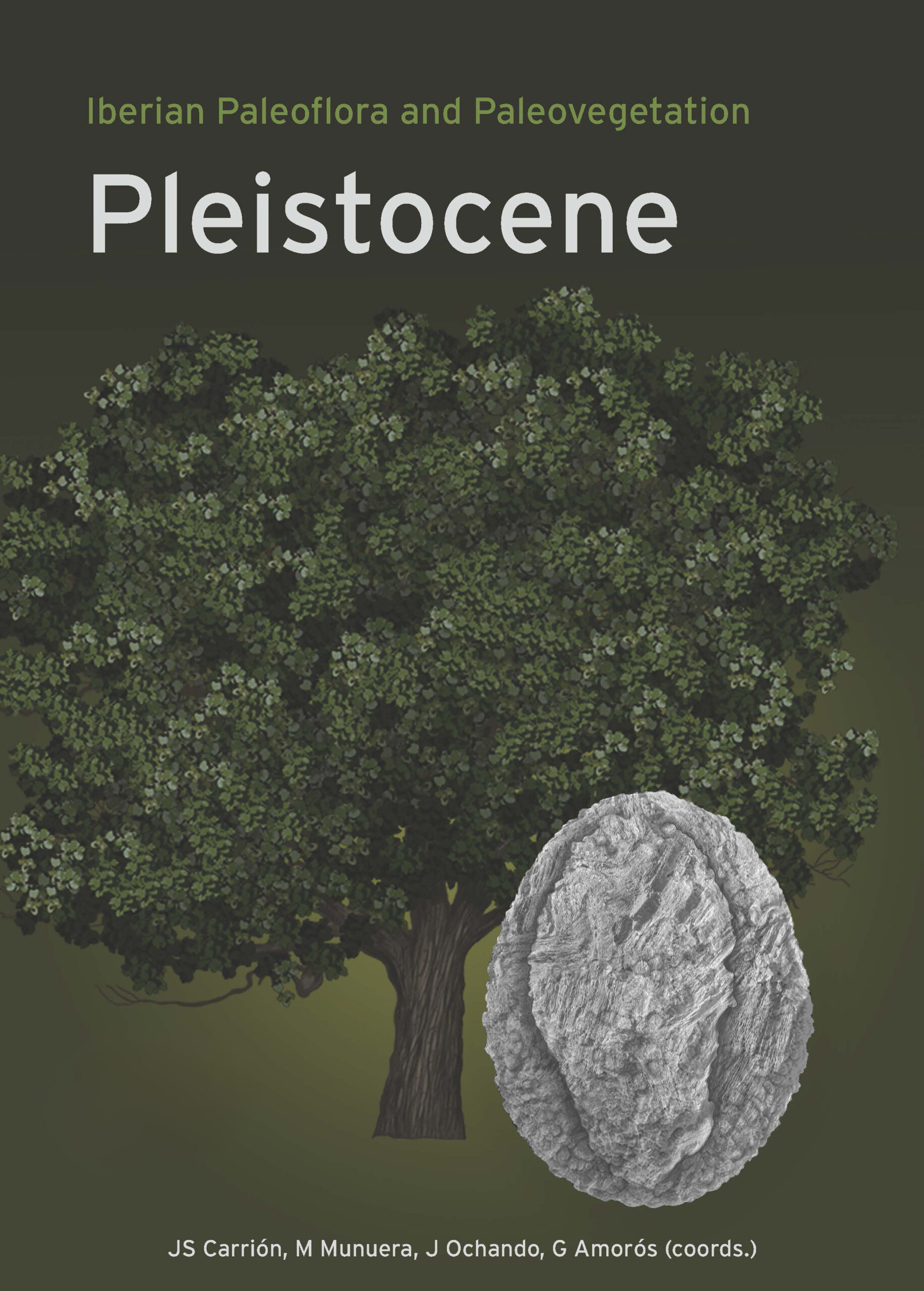
IBERIAN PALEOFLORA AND PALEOVEGETATION. VOL. II: PLEISTOCENE
This work is a series of monographs that reconstruct the history of the past vegetation of the Iberian Peninsula and the Balearic Islands through the exhaustive compilation and synthesis of the main palaeobotanical records published for these territories, covering a time frame of some 66 million years stretching from the present to the beginning of the Palaeocene period. For each of them, the current state of their environment is described, noting their physiographic, climatic, floristic and vegetation characteristics. This information is followed by the available palaeobotanical data, either through tables of pollen and spore diagrams of the most represented plant groups, anthracological, carpolological, phytolith and other plant remains, as well as precise chronological information for their temporal location. The results are presented with an abundance of tables, illustrations, photographs, stratigraphies and synthetic diagrams that make the content easily accessible to all researchers interested in plant knowledge, regardless of their training and specialisation. Volume II (Pleistocene) covers data from the period between approximately 12,000 years ago and 2.59 million years ago.
https://www.paleofloraiberica.org/ https://doi.org/10.31428/10317/16814 http://hdl.handle.net/10317/16814 Show more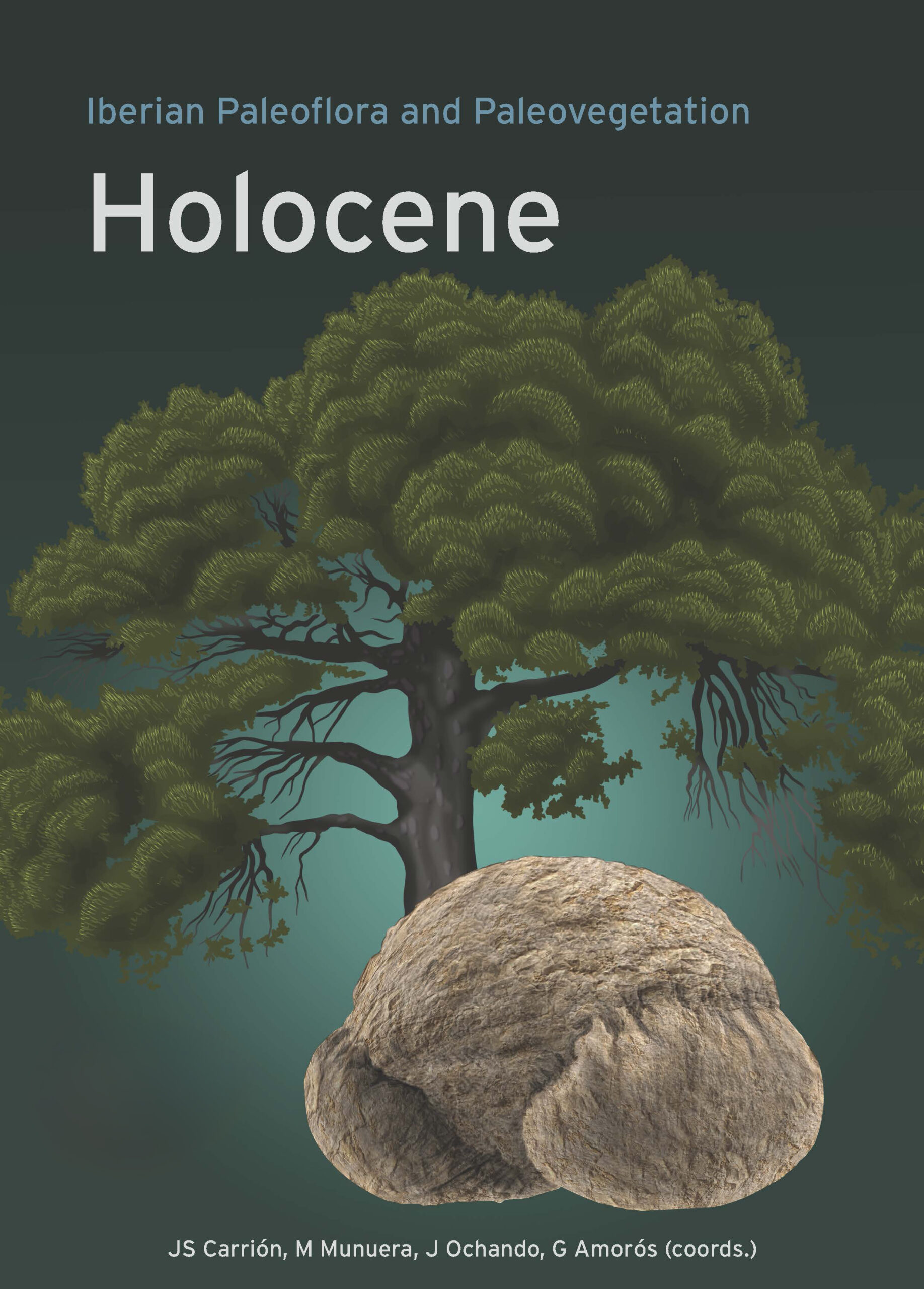
IBERIAN PALEOFLORA AND PALEOVEGETATION. VOL. III: HOLOCENE
This work is a series of monographs that reconstruct the history of the past vegetation of the Iberian Peninsula and the Balearic Islands through the exhaustive compilation and synthesis of the main palaeobotanical records published for these territories, covering a time frame of some 66 million years stretching from the present to the beginning of the Palaeocene period. For each of them, the current state of their environment is described, noting their physiographic, climatic, floristic and vegetation characteristics. This information is followed by the available palaeobotanical data, either through tables of pollen and spore diagrams of the most represented plant groups, anthracological, carpolological, phytolith and other plant remains, as well as precise chronological information for their temporal location. The results are presented with an abundance of tables, illustrations, photographs, stratigraphies and synthetic diagrams that make the content easily accessible to all researchers interested in plant knowledge, regardless of their training and specialisation. Volume III (Holocene) covers data from the period between the present and approximately 12,000 years ago.
https://www.paleofloraiberica.org/ https://doi.org/10.31428/10317/16822 http://hdl.handle.net/10317/16822 Show more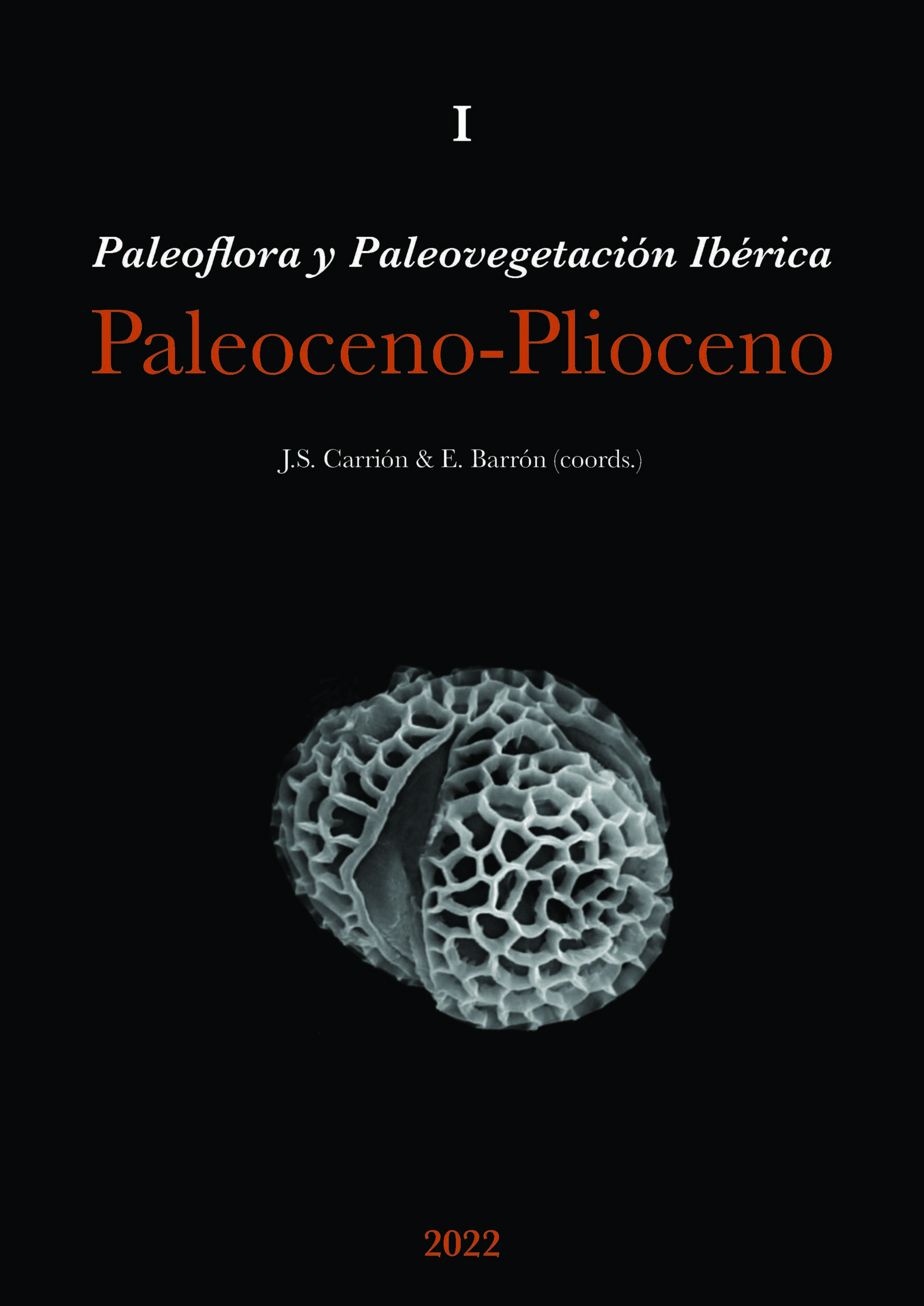
PALEOFLORA Y PALEOVEGETACIÓN IBÉRICA: PALEOCENO-PLIOCENO
The series of books written in Spanish of the work ‘Paleoflora y Paleovegetación Ibérica’ (Iberian Paleoflora and Paleovegetation), which is divided into volumes for the Palaeocene-Pliocene, Pleistocene and Holocene periods. This is a collection of studies on the paleoflora and paleovegetation of the Iberian Peninsula and the Balearic Islands, covering the period from the end of the Tertiary period to the present day.
http://www.paleofloraiberica.org https://zenodo.org/records/14599263 Show more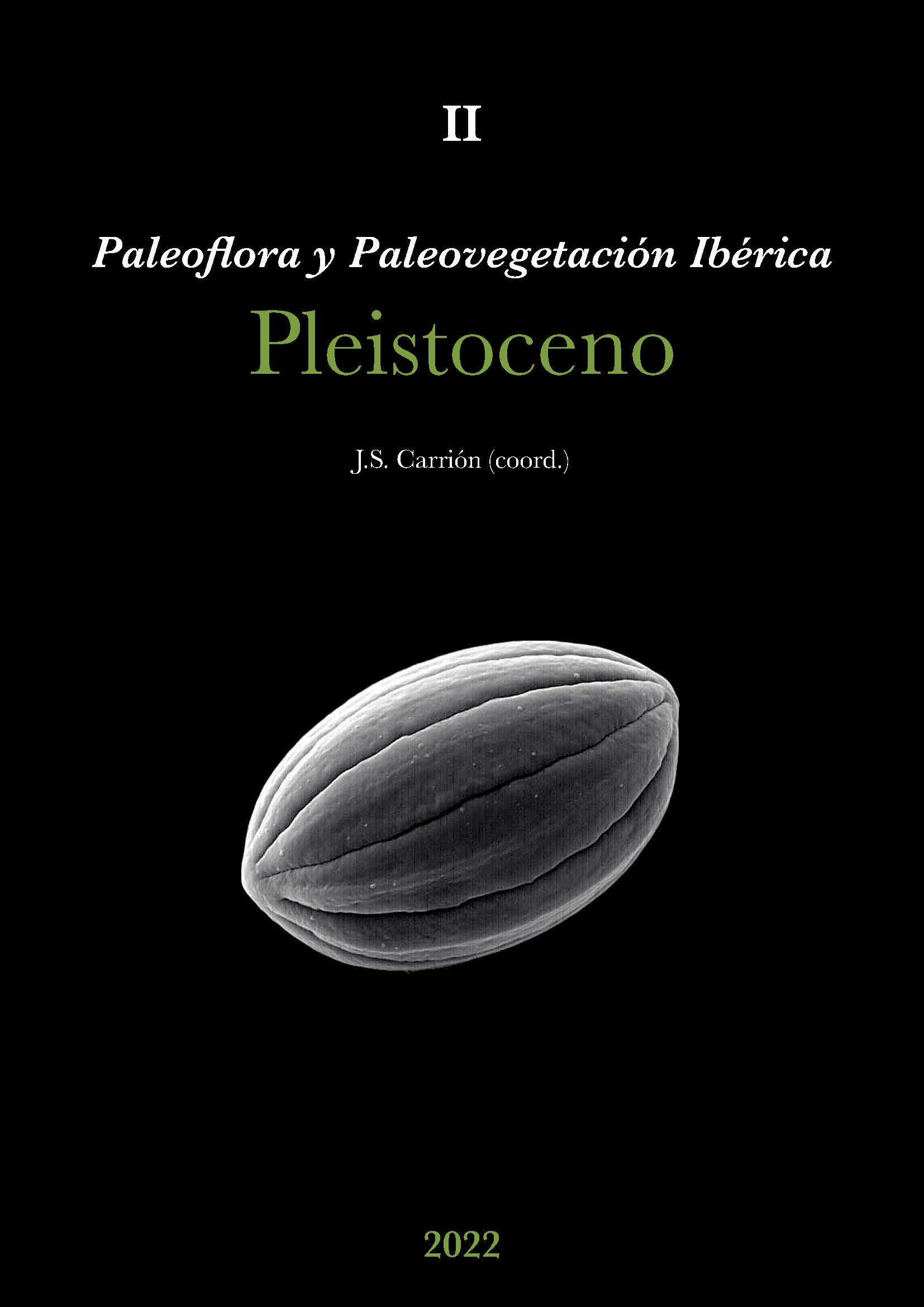
PALEOFLORA Y PALEOVEGETACIÓN IBÉRICA: PLEISTOCENO
The series of books written in Spanish of the work ‘Paleoflora y Paleovegetación Ibérica’ (Iberian Paleoflora and Paleovegetation), which is divided into volumes for the Palaeocene-Pliocene, Pleistocene and Holocene periods. This is a collection of studies on the paleoflora and paleovegetation of the Iberian Peninsula and the Balearic Islands, covering the period from the end of the Tertiary period to the present day.
http://www.paleofloraiberica.org https://doi.org/10.5281/zenodo.14599317 Show more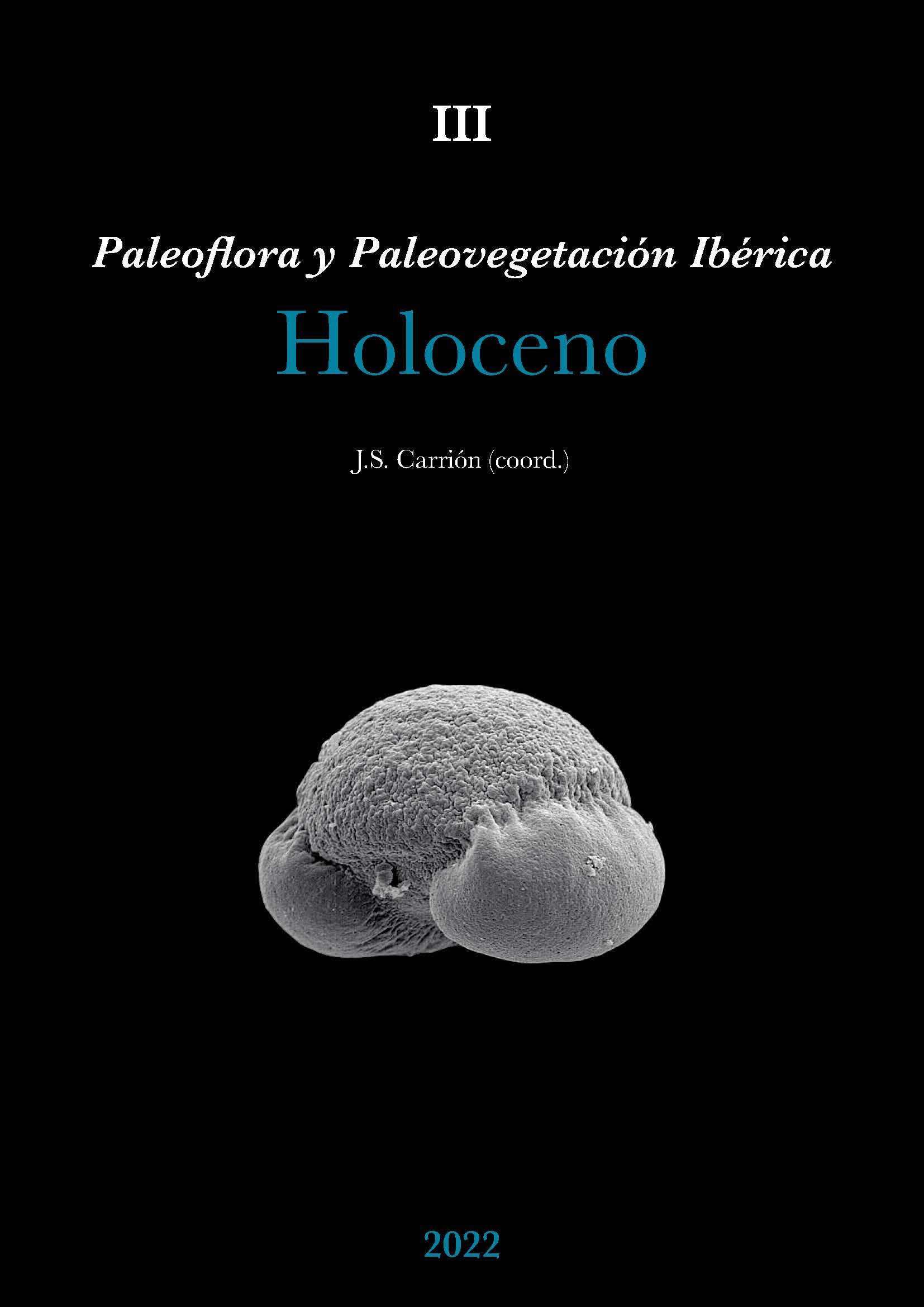
PALEOFLORA Y PALEOVEGETACIÓN IBÉRICA: HOLOCENO
The series of books written in Spanish of the work ‘Paleoflora y Paleovegetación Ibérica’ (Iberian Paleoflora and Paleovegetation), which is divided into volumes for the Palaeocene-Pliocene, Pleistocene and Holocene periods. This is a collection of studies on the paleoflora and paleovegetation of the Iberian Peninsula and the Balearic Islands, covering the period from the end of the Tertiary period to the present day.
http://www.paleofloraiberica.org https://doi.org/10.5281/zenodo.14599347 Show more
POLLEN AS A BREEZE TOWARDS THE LANDSCAPE OF THE PAST THROUGH ART
Science and Technology Week (SeCyT) is held every November throughout Europe with the aim of presenting science and the people who make it possible in an attractive and accessible way to the public. In the Region of Murcia, this event is organised by the Seneca Foundation - Science and Technology Agency, under the slogan Science everywhere. Since its first edition in 2001, the University of Murcia has actively participated in SeCyT with a comprehensive programme of activities aimed at bringing science closer to Murcian society, increasing scientific culture among citizens and encouraging scientific vocations among young people. This initiative is part of our institution's commitment to scientific dissemination, which we coordinate from our Scientific Culture Unit. The activity illustrated below contains the materials used at the Fair, with a particular focus on primary and secondary school children.
https://doi.org/10.5281/zenodo.14589577 Show more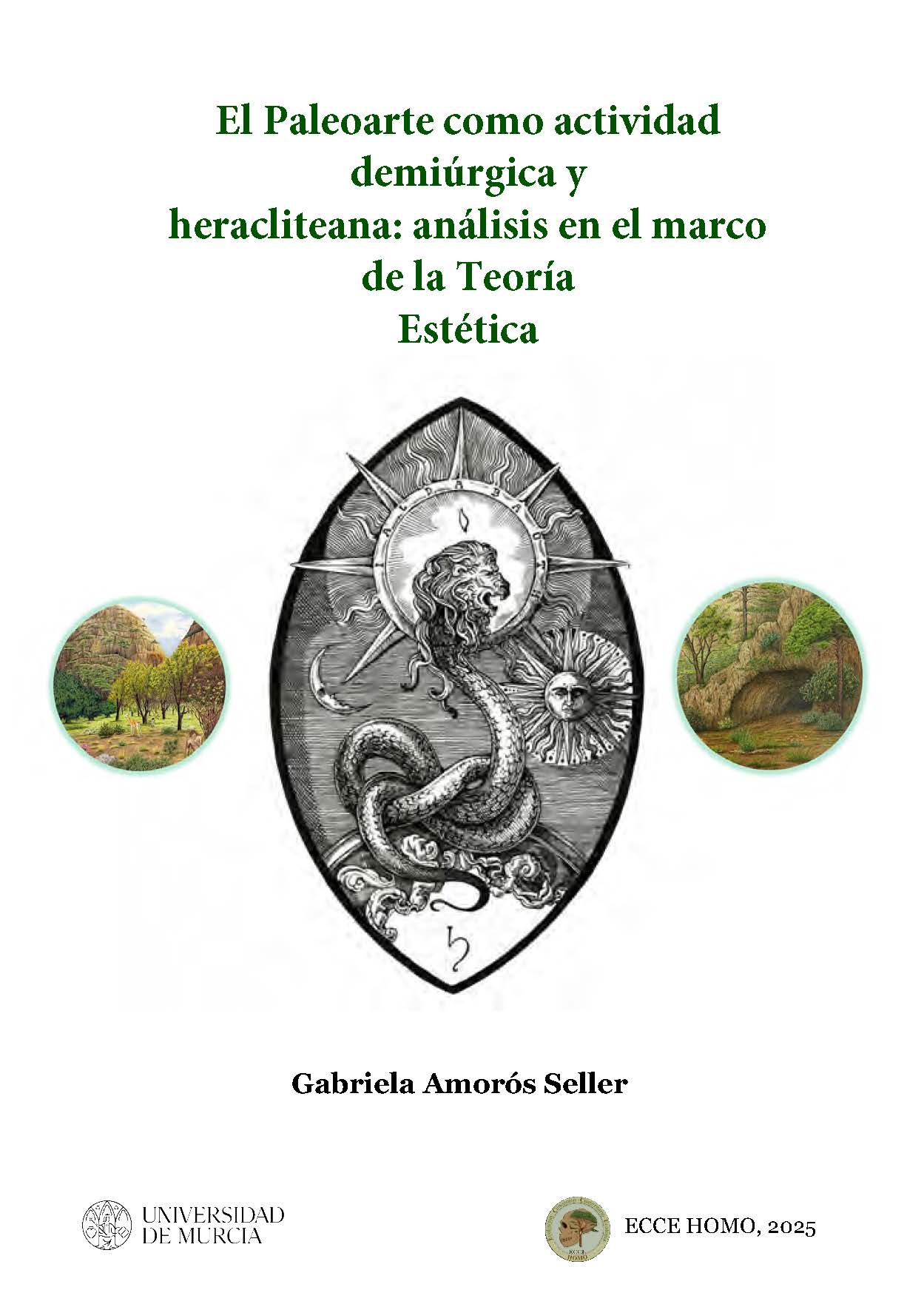
PALEOART AS A DEMIURGIC AND HERACLITEAN ACTIVITY: ANALYSIS WITHIN THE FRAMEWORK OF AESTHETIC THEORY
Paleoart serves as a visual medium that democratizes paleontological knowledge, making science accessible and understandable through images that combine rigor and creativity. The manuscript describes the work of the ECCE HOMO researchgroup, which uses microfossils to recreate prehistoric landscapes. This endeavor highlights the synergy between disciplines such as paleobotany, archaeology, geology, and art, fostering dialogue between science and society. From an aesthetic and philosophical perspective, the manuscript connects Paleoart with classical concepts such as Aristotelian mimesis, the Kantian sublime, and the ideas of Heraclitus and Plato. It suggests that Paleoart is not only mimetic, attempting to reflect a past world, but also demiurgic, akin to Plato’s divine artisan, creating from scientific ideas rather than visible models. This parallel extends to the notion of physis as a process of revealing hidden nature, with scientific knowledge acting as illumination.
https://doi.org/10.5281/zenodo.14599428 Show more