Orce refuge
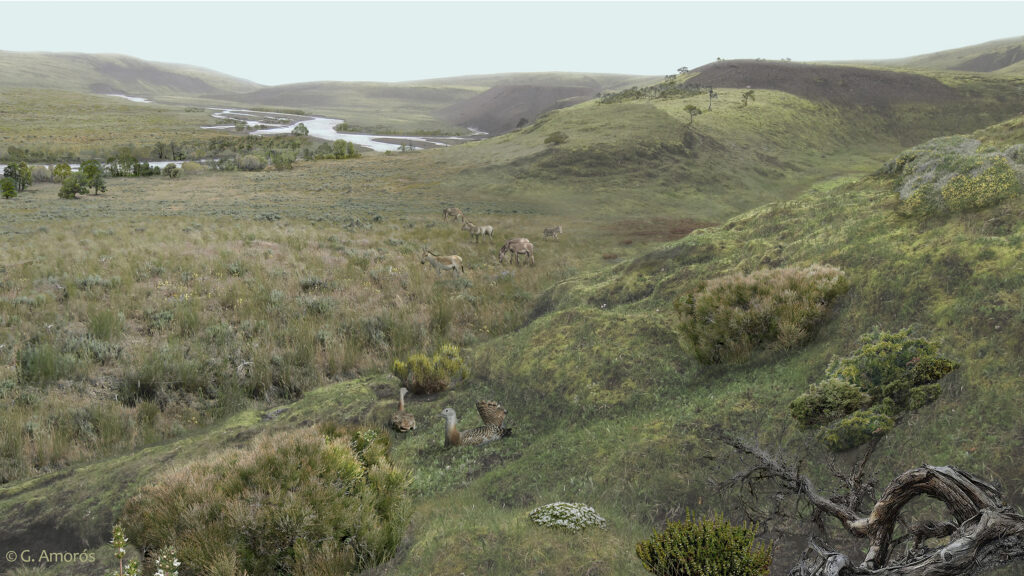
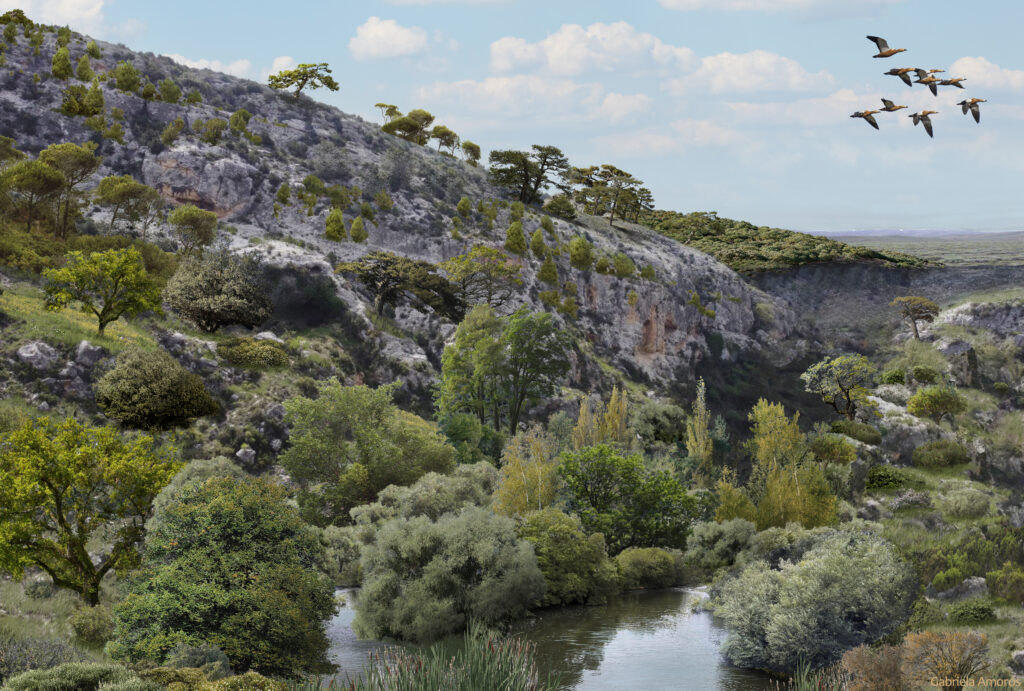
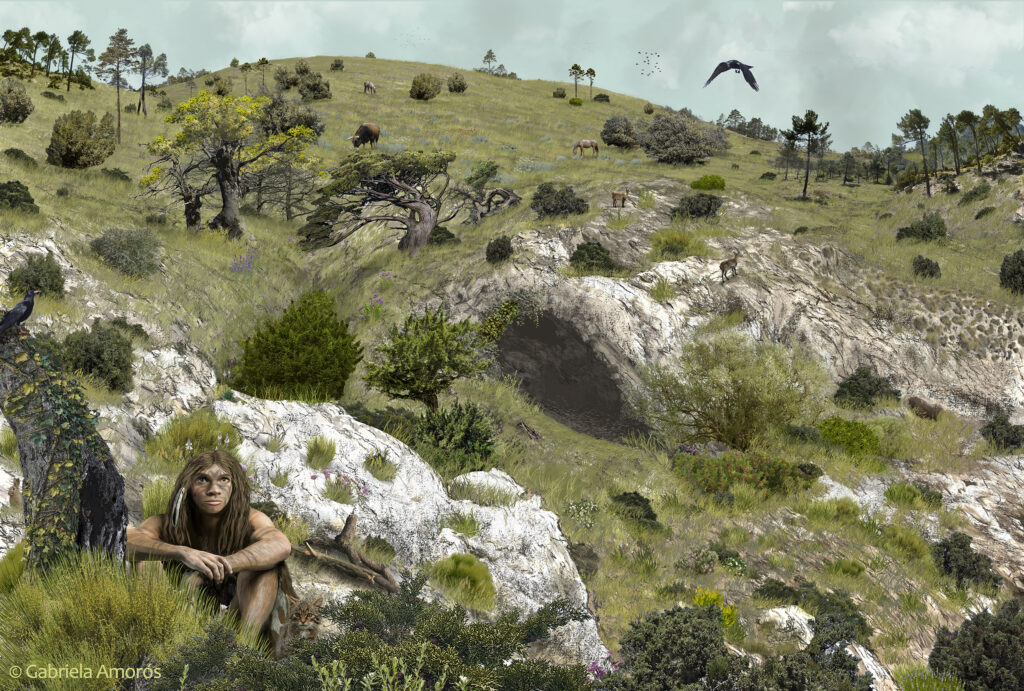
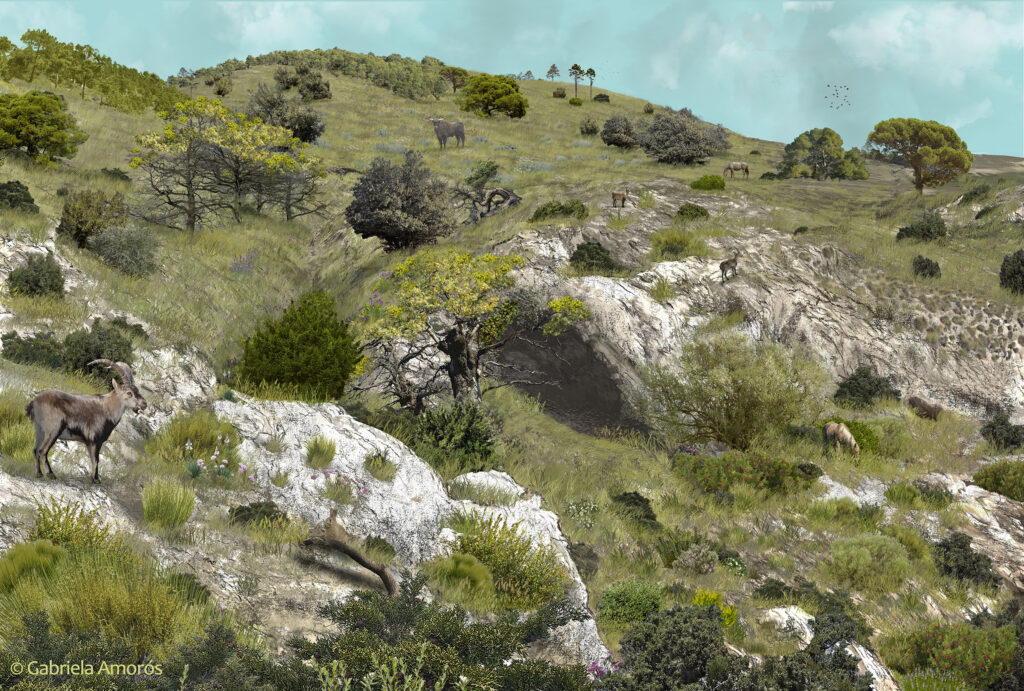
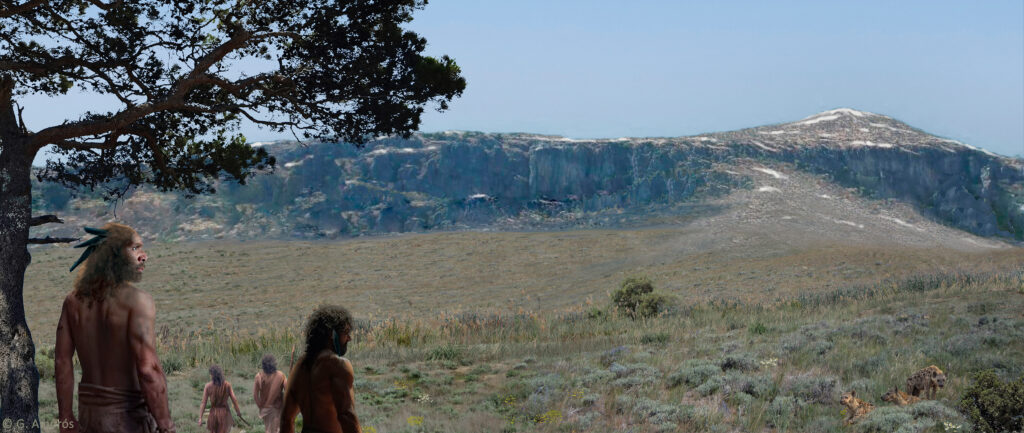
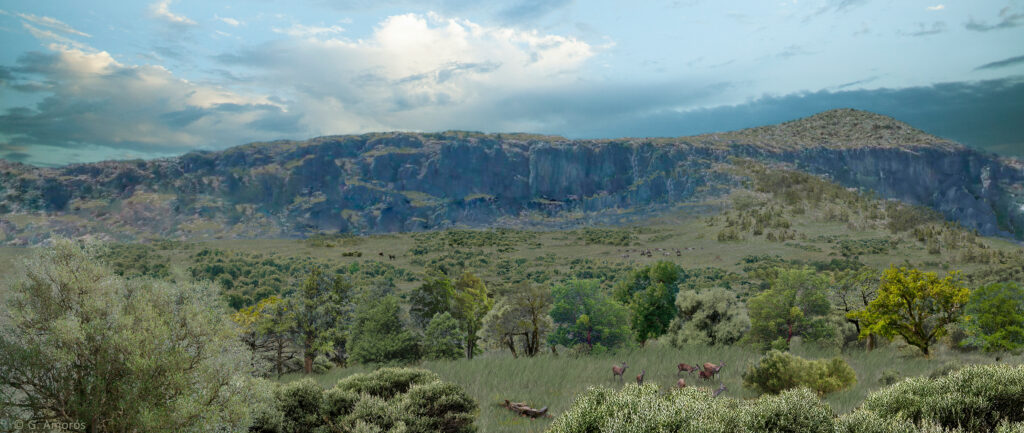
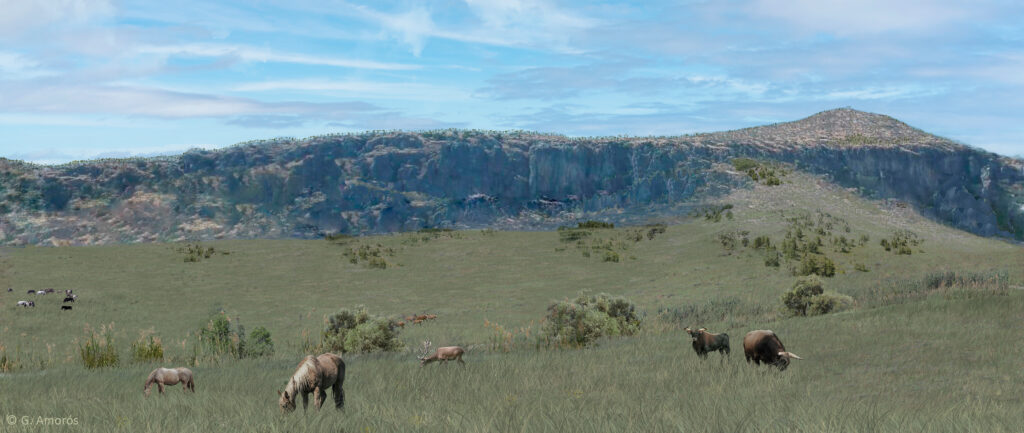
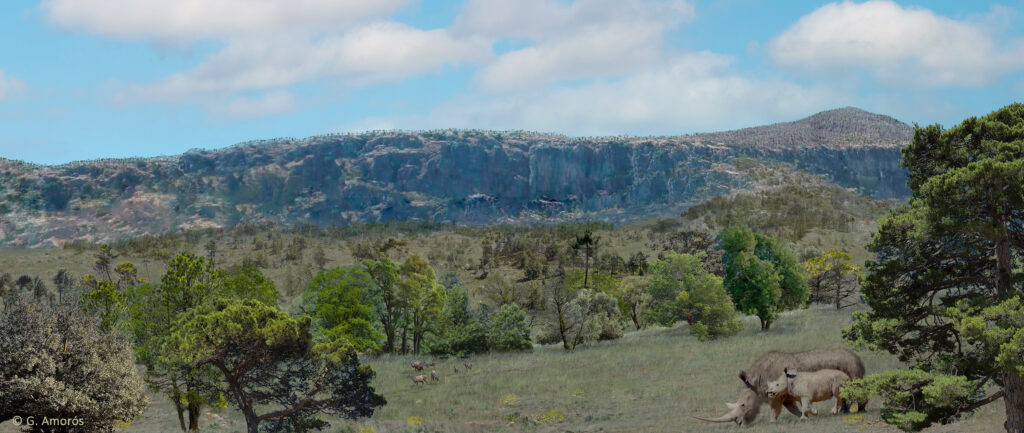
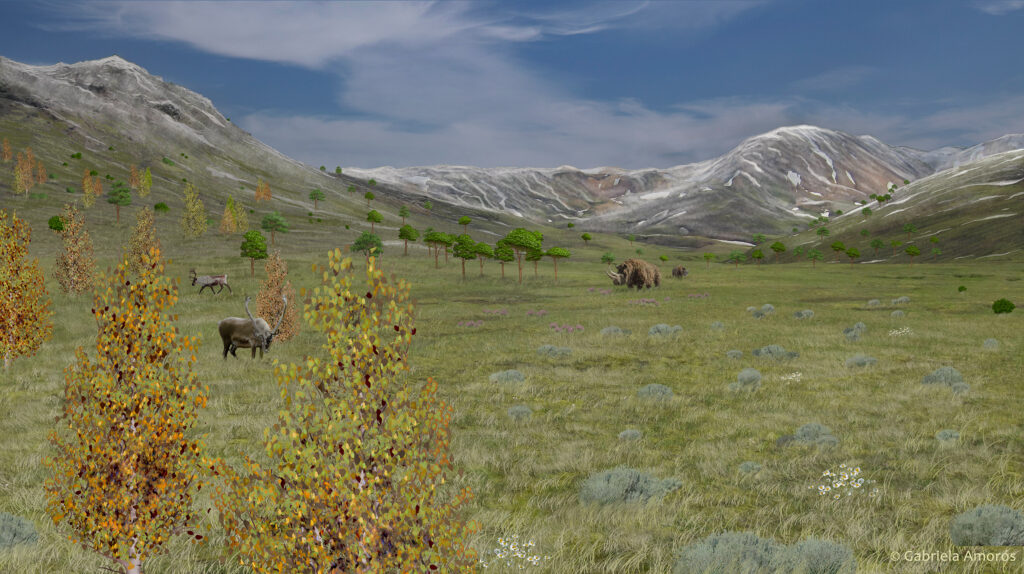
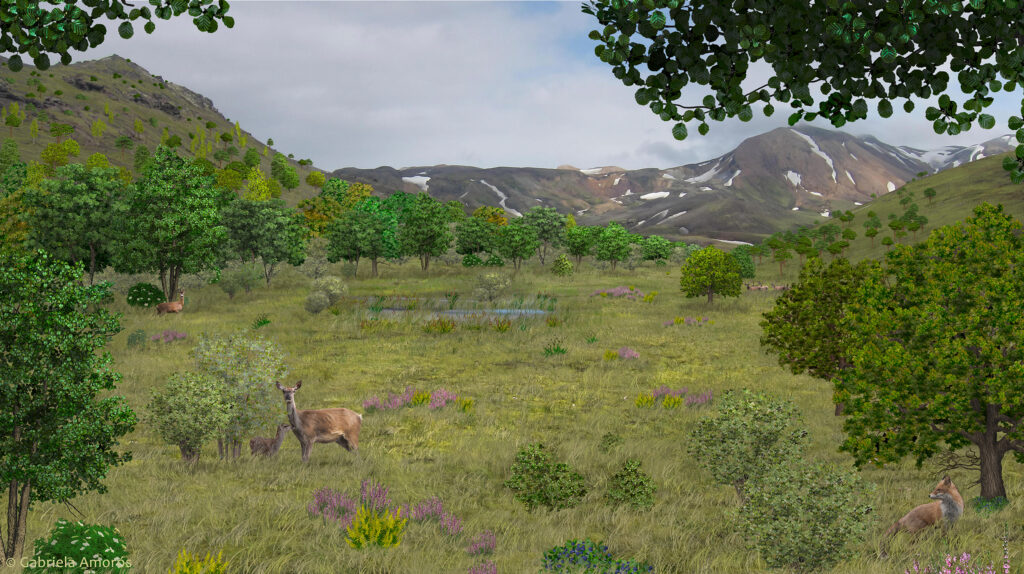
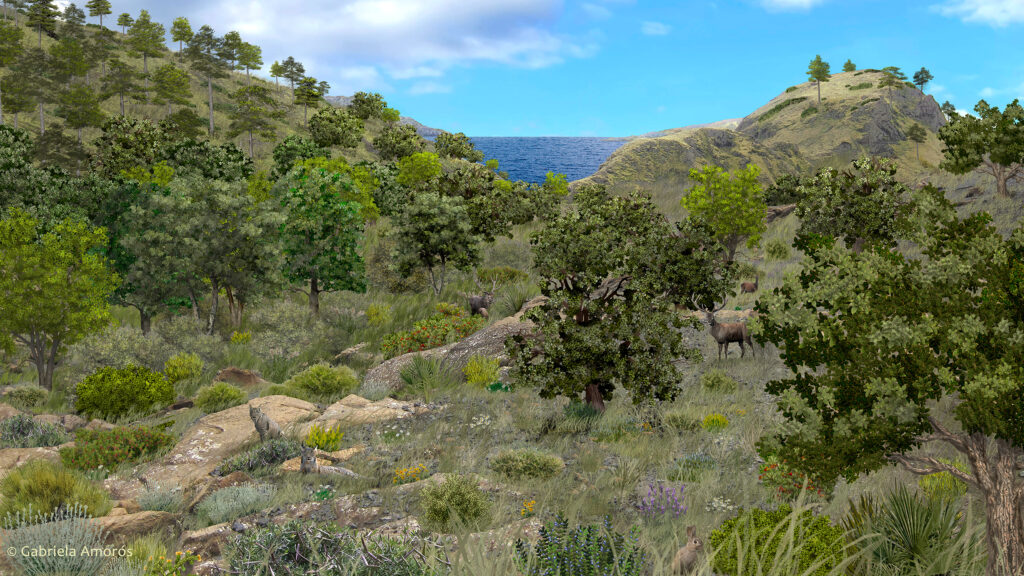
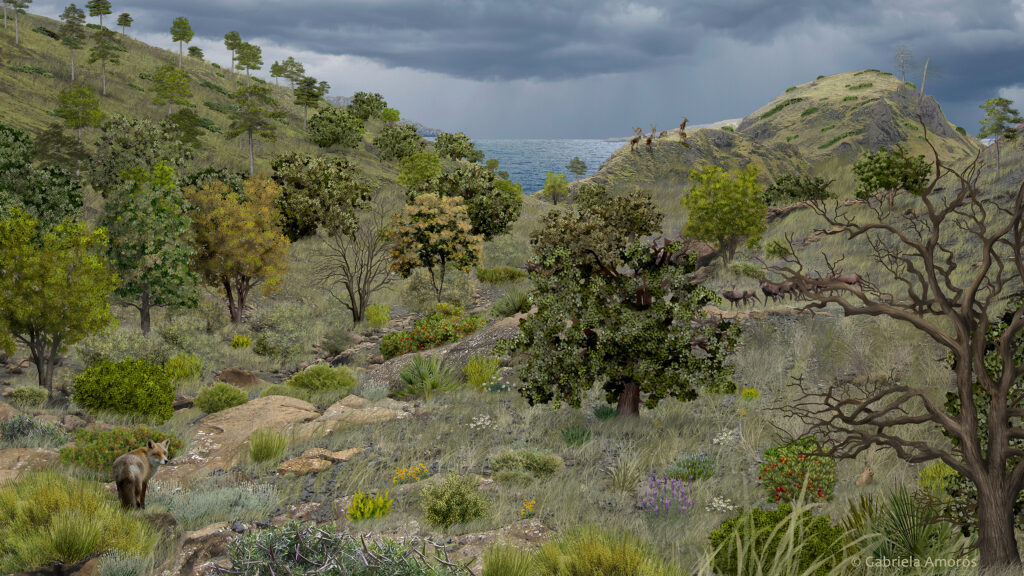
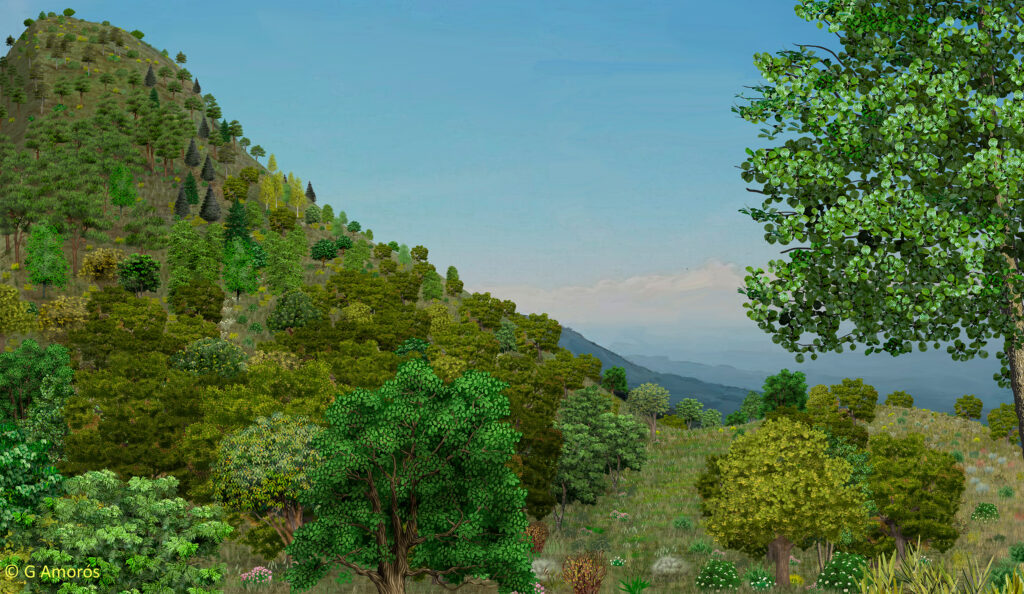
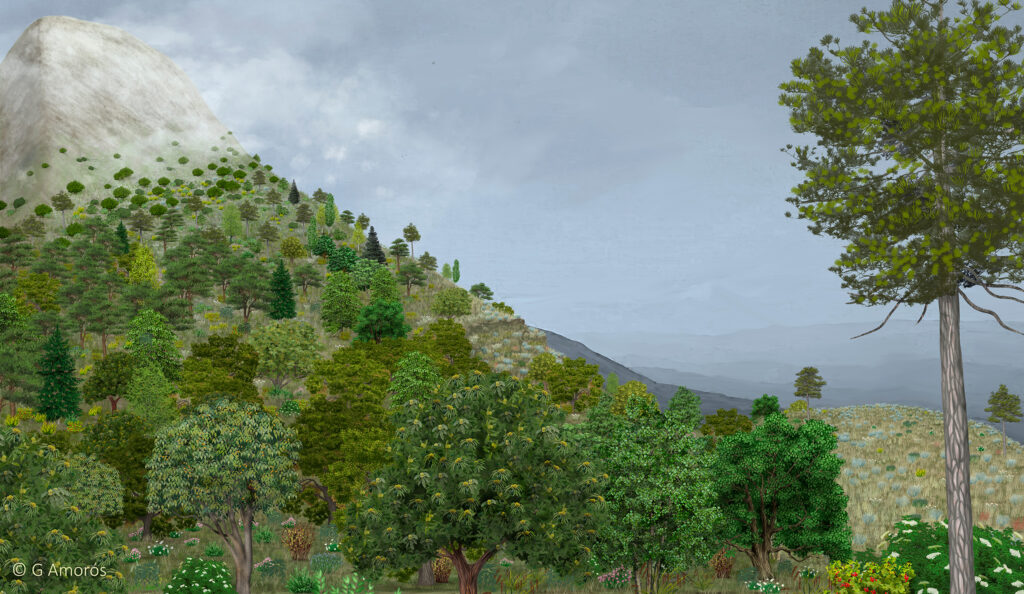
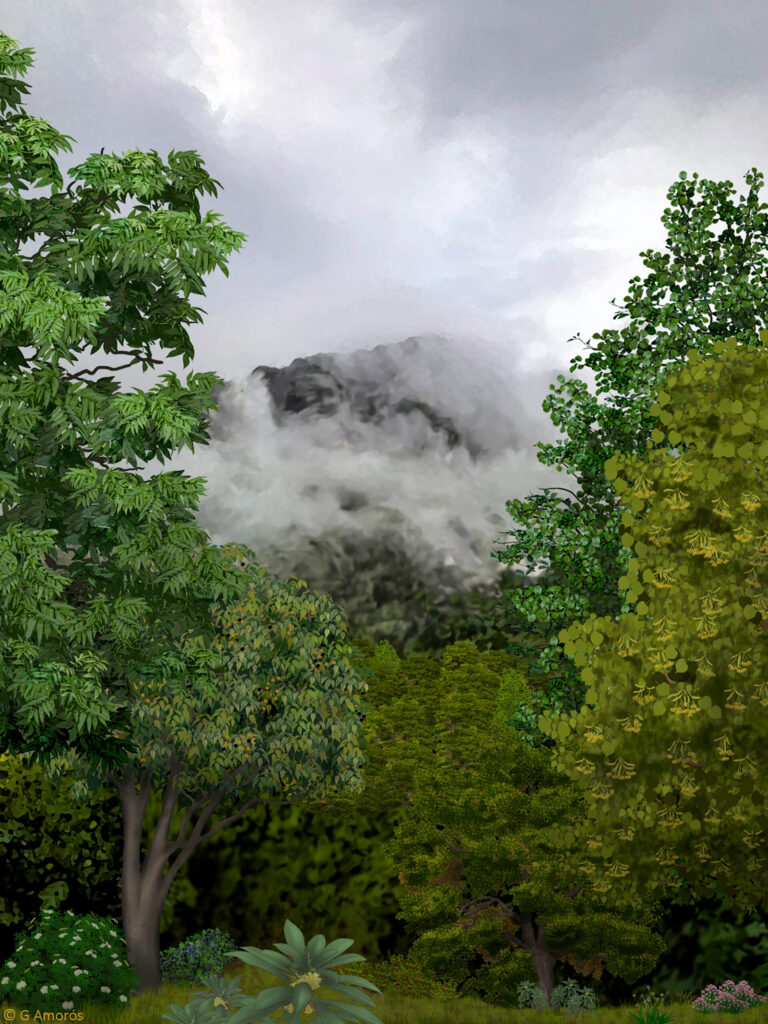
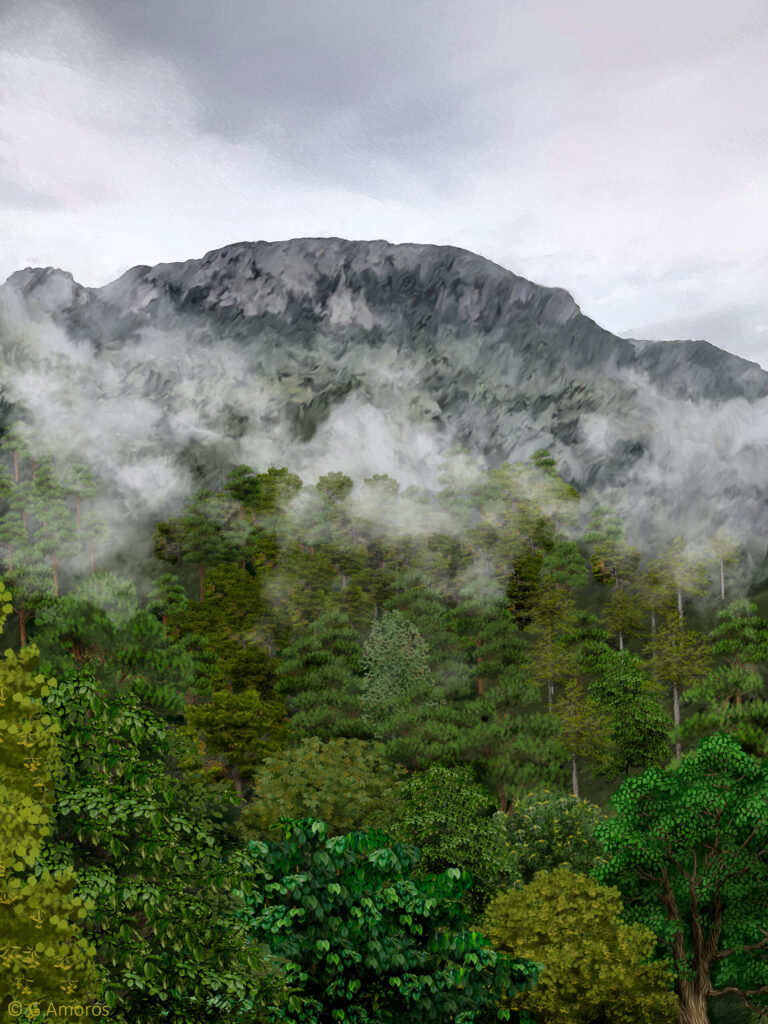
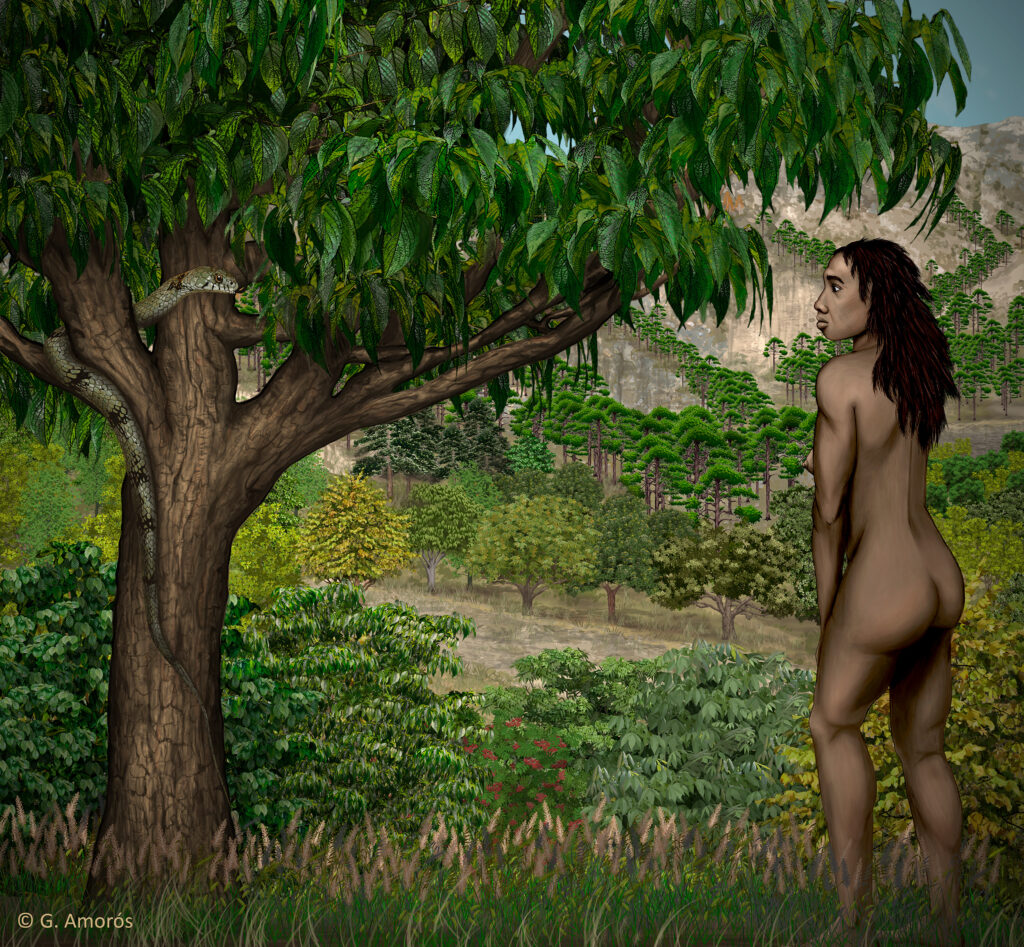
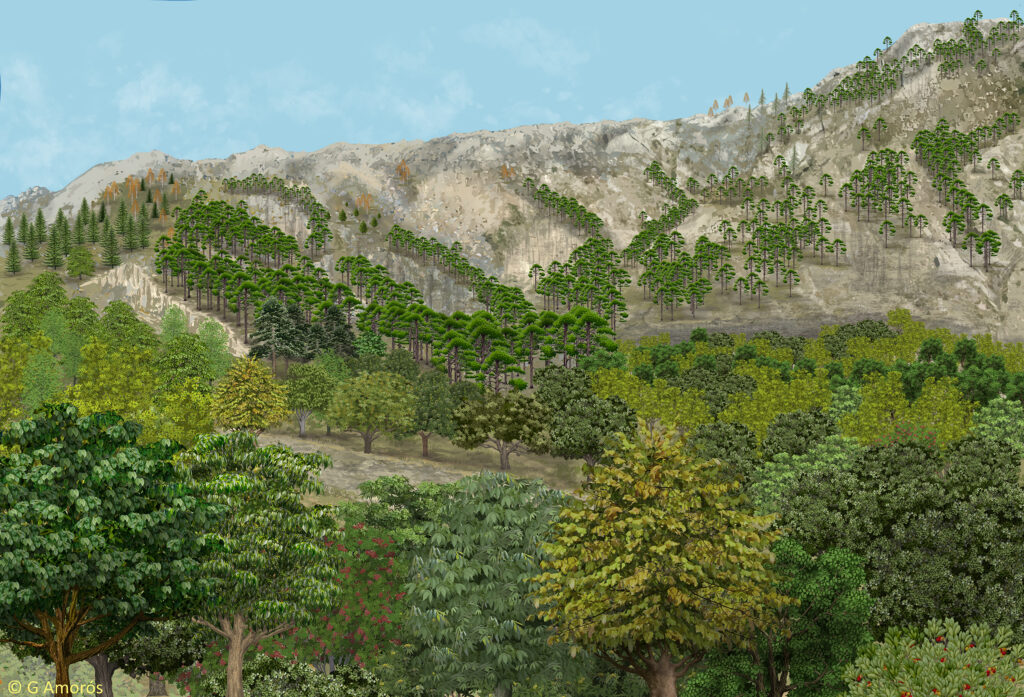
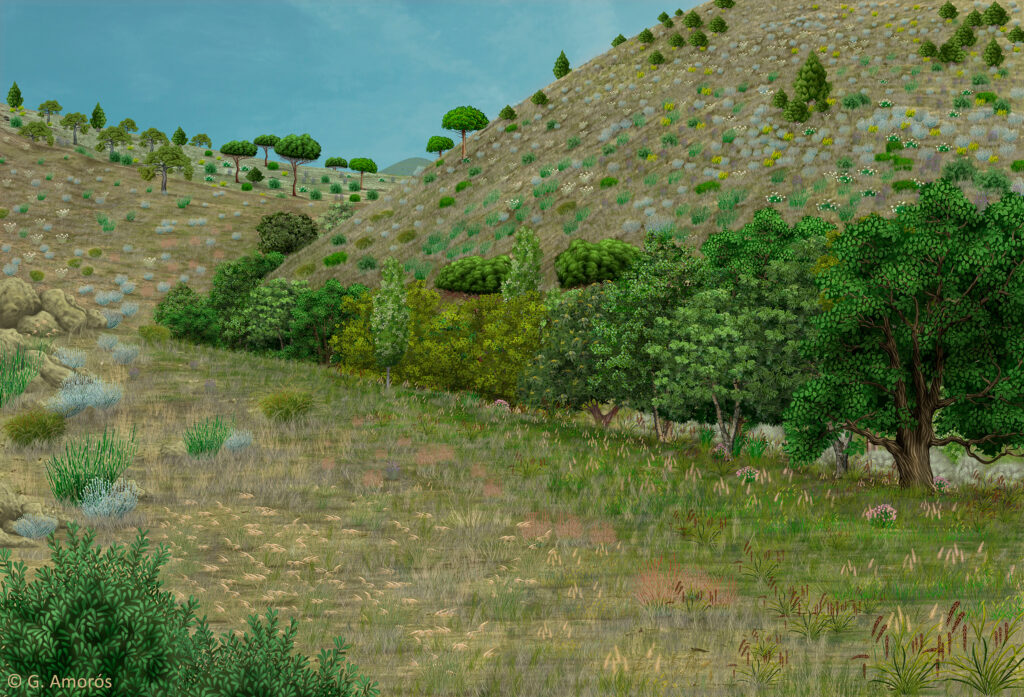
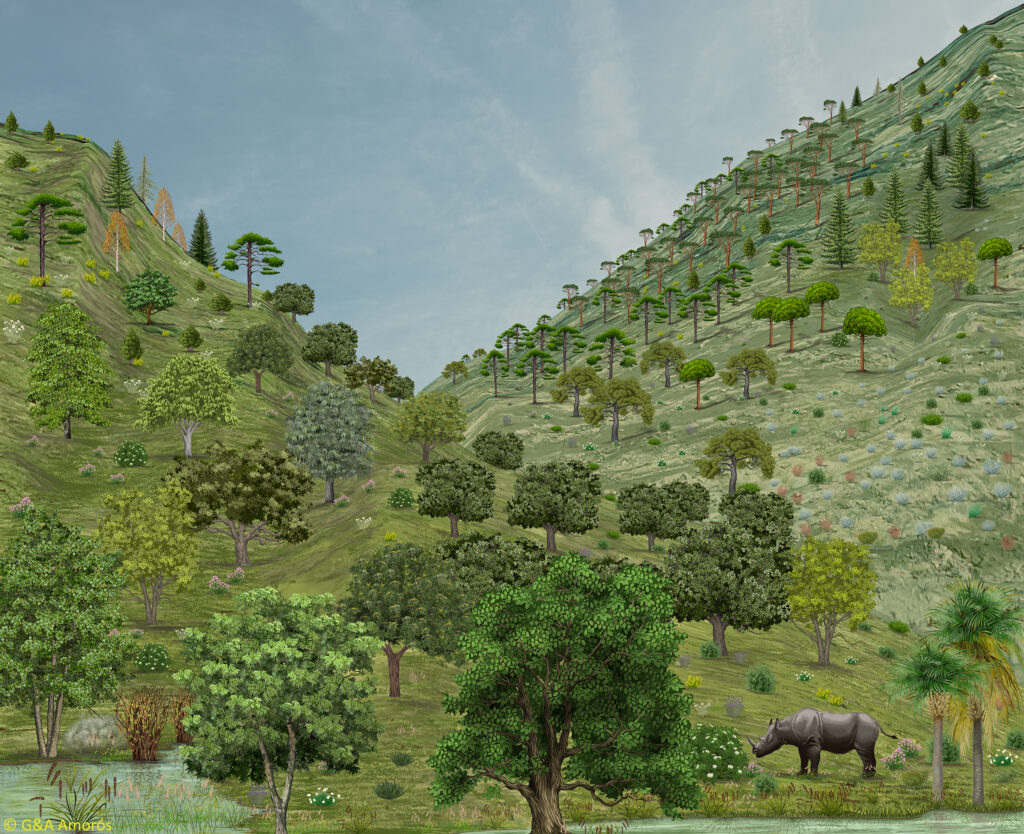
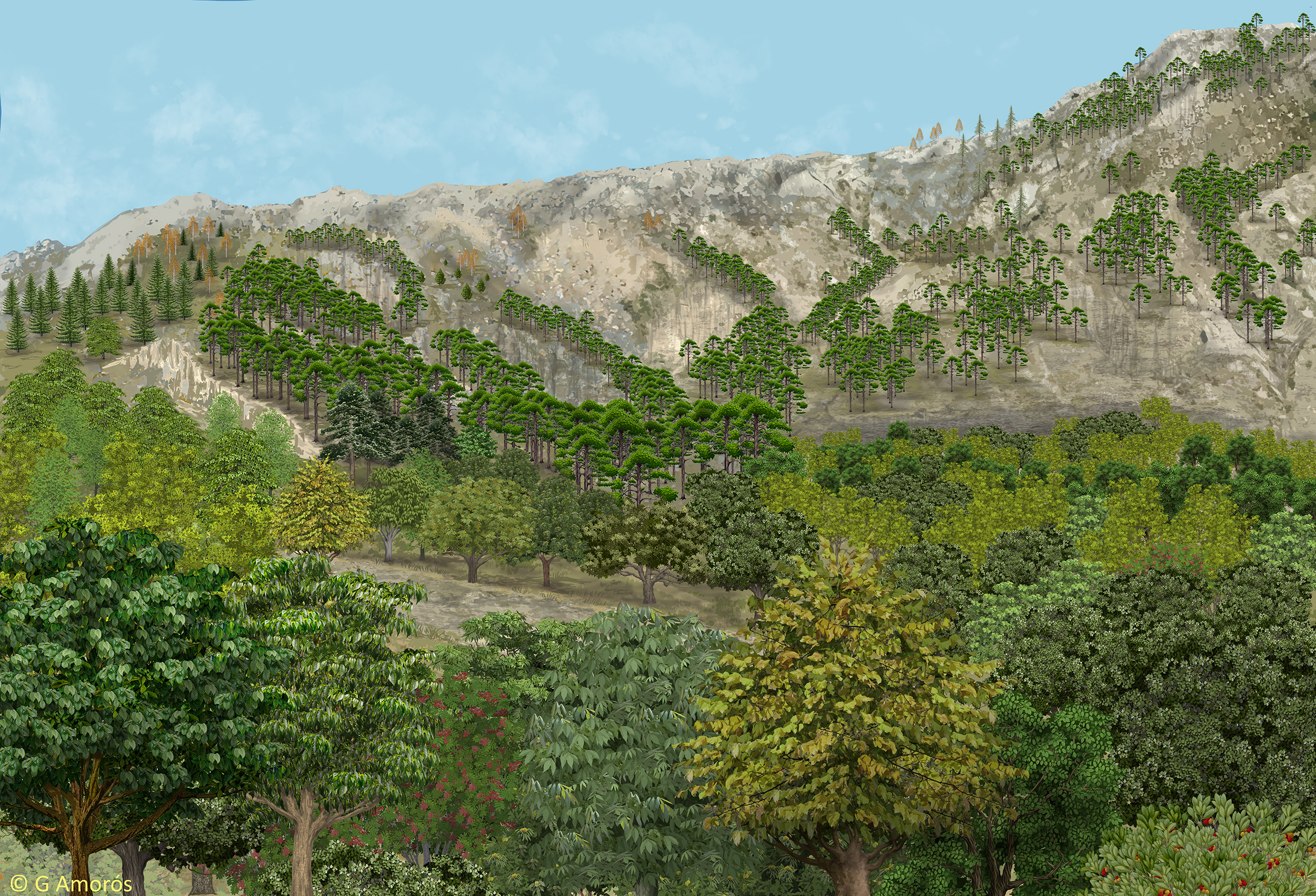
Paleoartistic reconstruction of a glacial refuge for mesothermophilous plants located in an intramontane valley within the Betic Cordilleras surrounding the Guadix-Baza depression. This scenario embraces the period 1.6–1.2 Ma. Here we emphasise the coalescence in space and time of taxa with different ecological affinities in a climatic context where survival in hydroclimatic refuges would be the limiting chorological factor. Refuges may have been located at mid-altitudes, within what are now the supra and mesomediterranean vegetation belts. Pine forests dominate on rocky soils on steeper slopes, and angiosperms’ greater density and arboreal diversity are seen within valley bottoms. The occurrence of genera such as Cathaya, Picea, Abies, Tsuga, Parrotia, Carya, Zelkova, Carpinus, Eucommia, Arbutus, Sorbus, Fagus, Acer, Juglans, Castanea, and Ulmus, among others, is worth mentioning.
Carrión JS, Amorós G, Sánchez-Giner MV, Amorós A, Ochando J, Munuera M, Marín-Arroyo AB, Jiménez-Arenas JM. Greening a Lost World: paleoartistic investigations of the Early Pleistocene vegetation landscape in the First European´s Homeland. Quaternary Science Advances. Volume 14, June 2024, 100185.