Guadalquivir Steppe
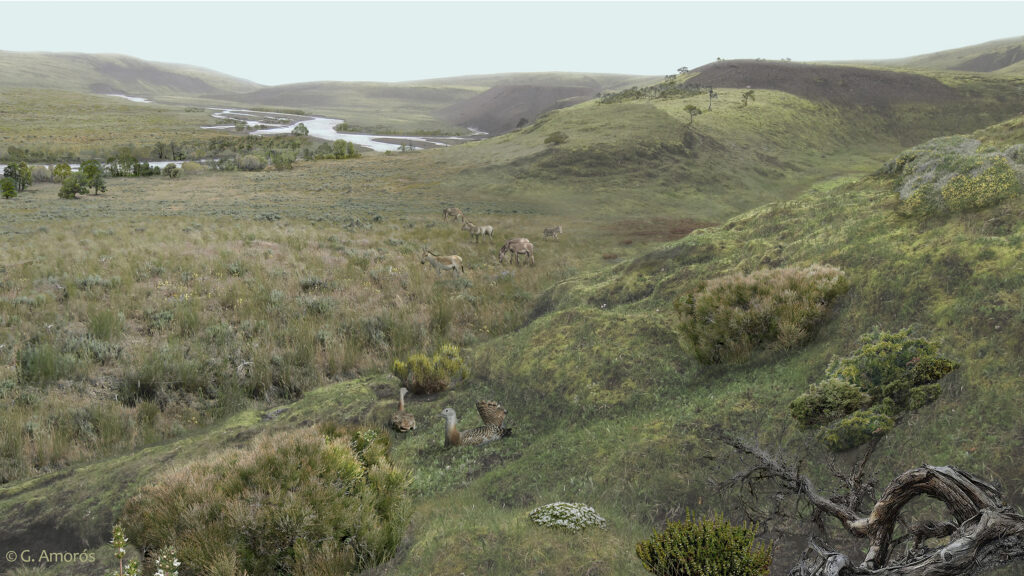
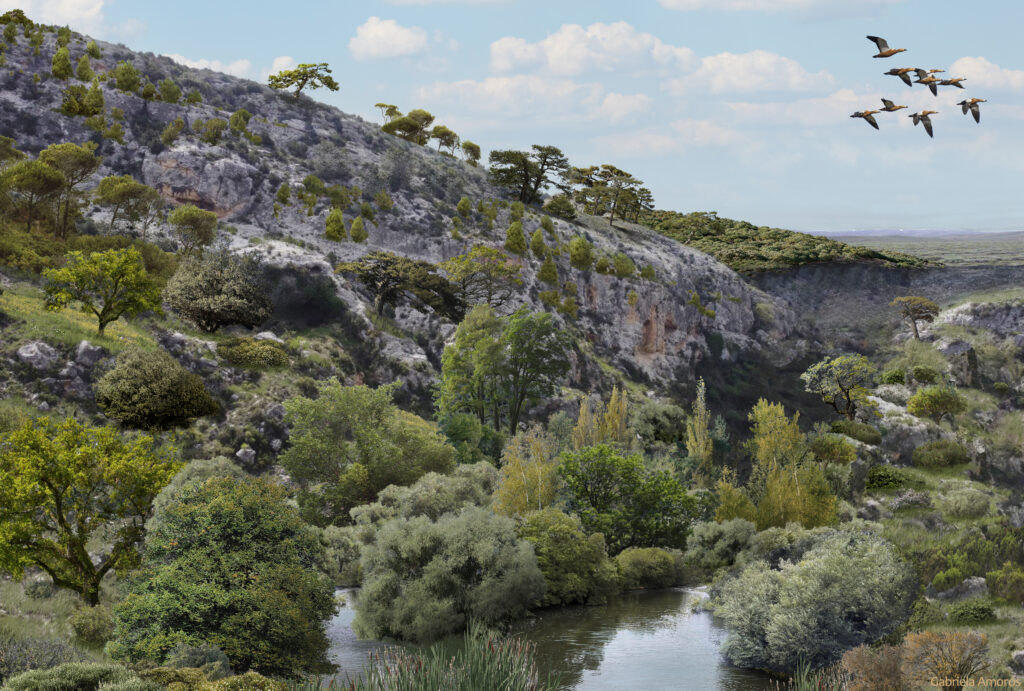
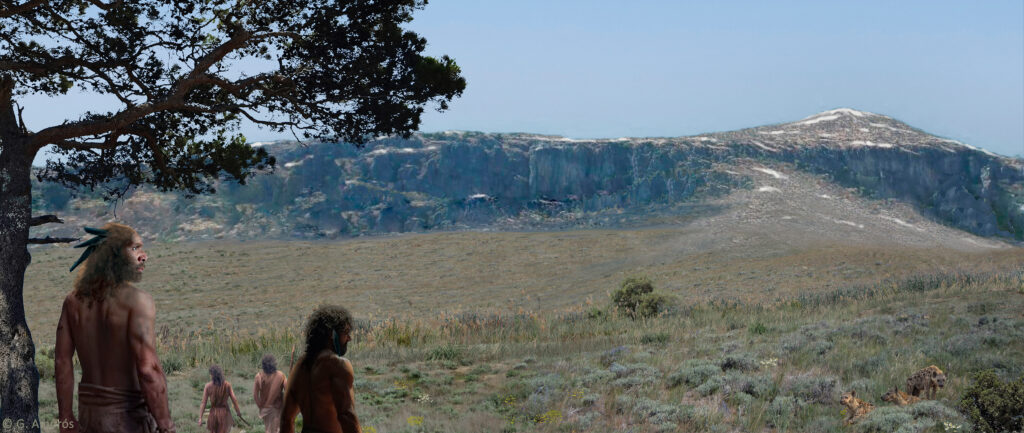
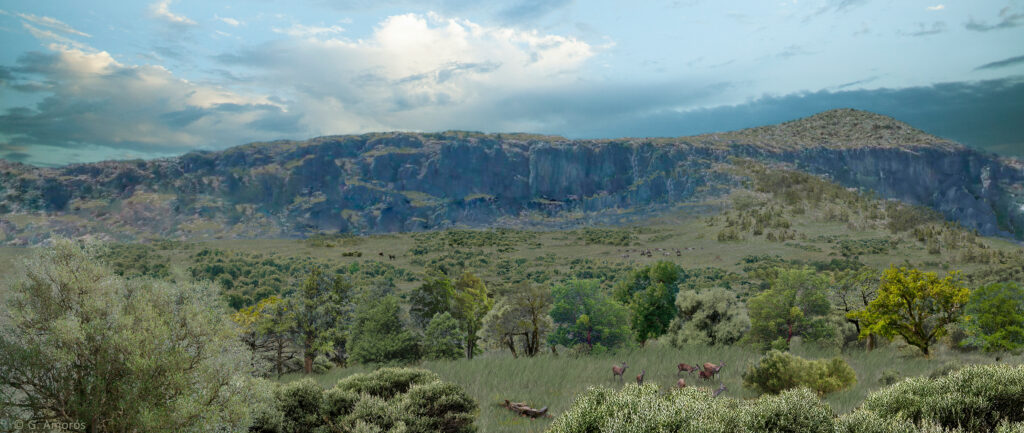
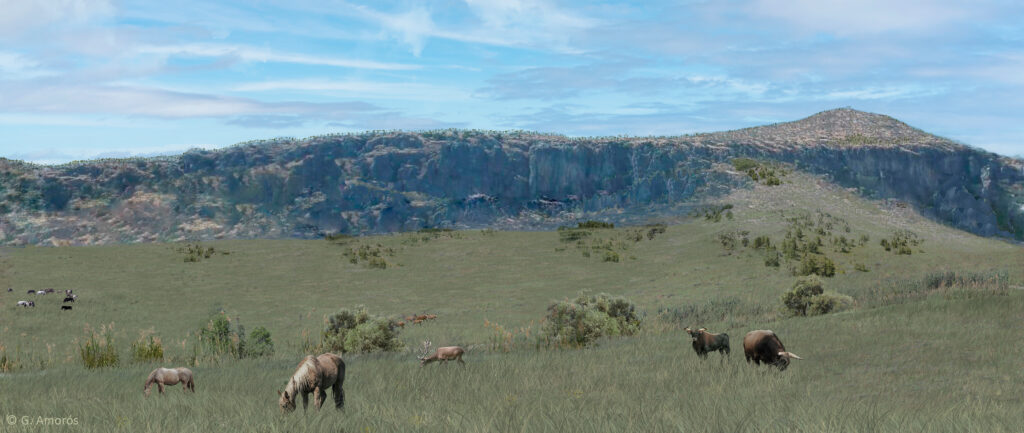
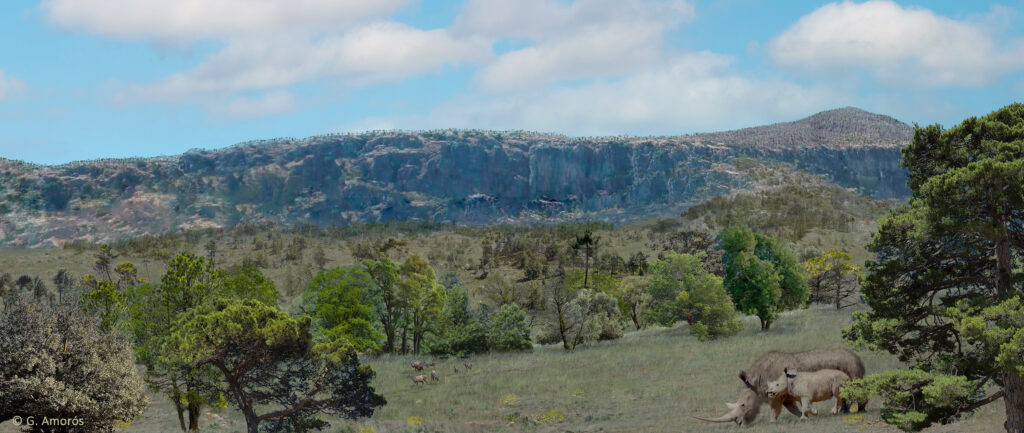
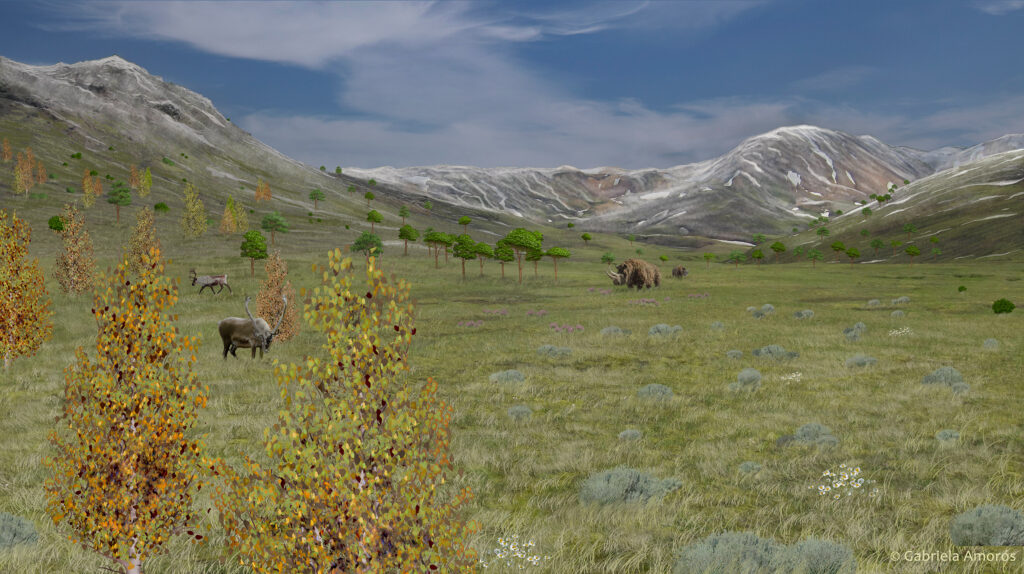
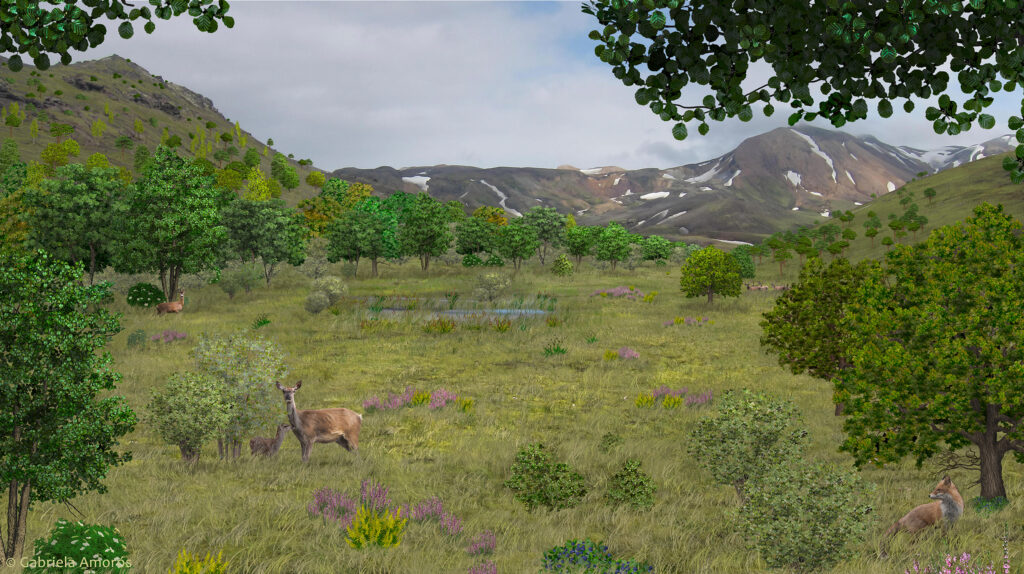
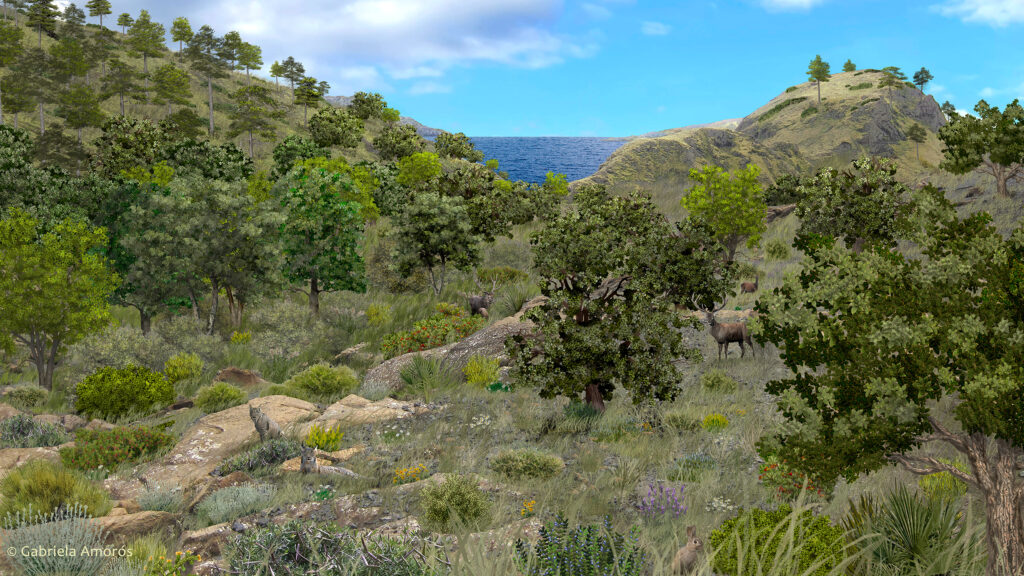
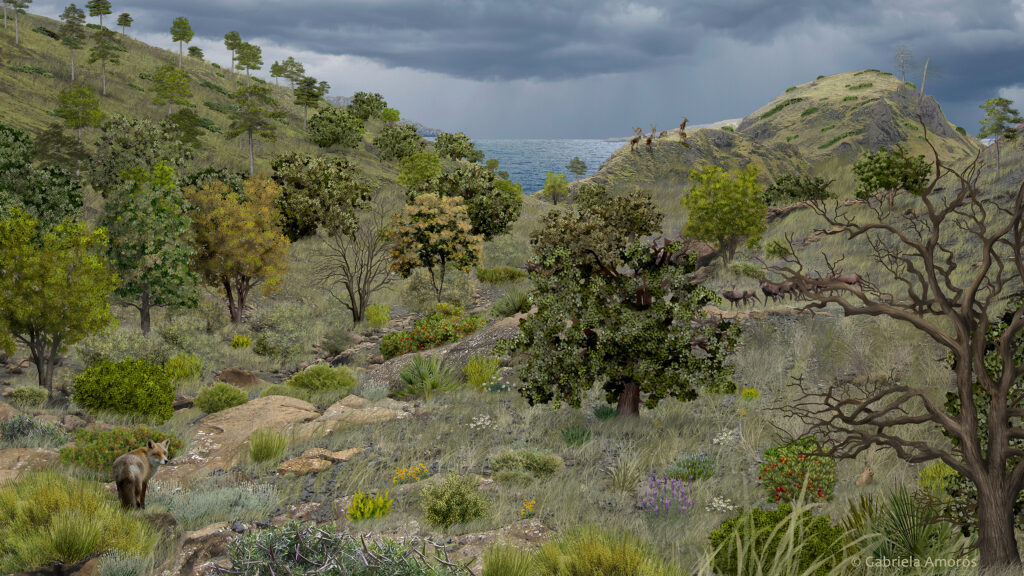
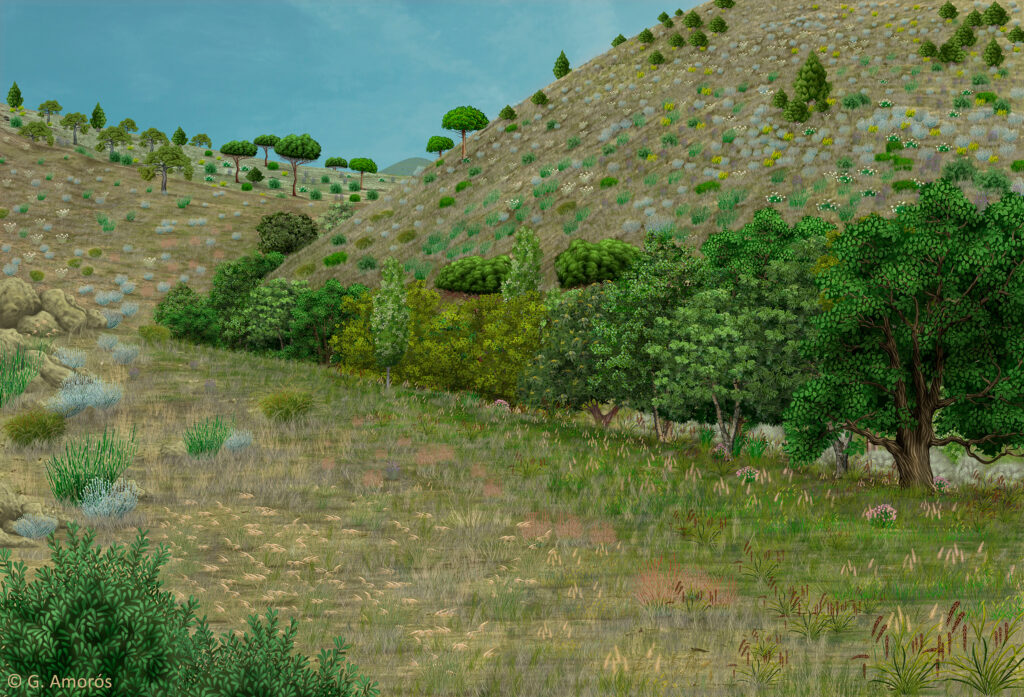
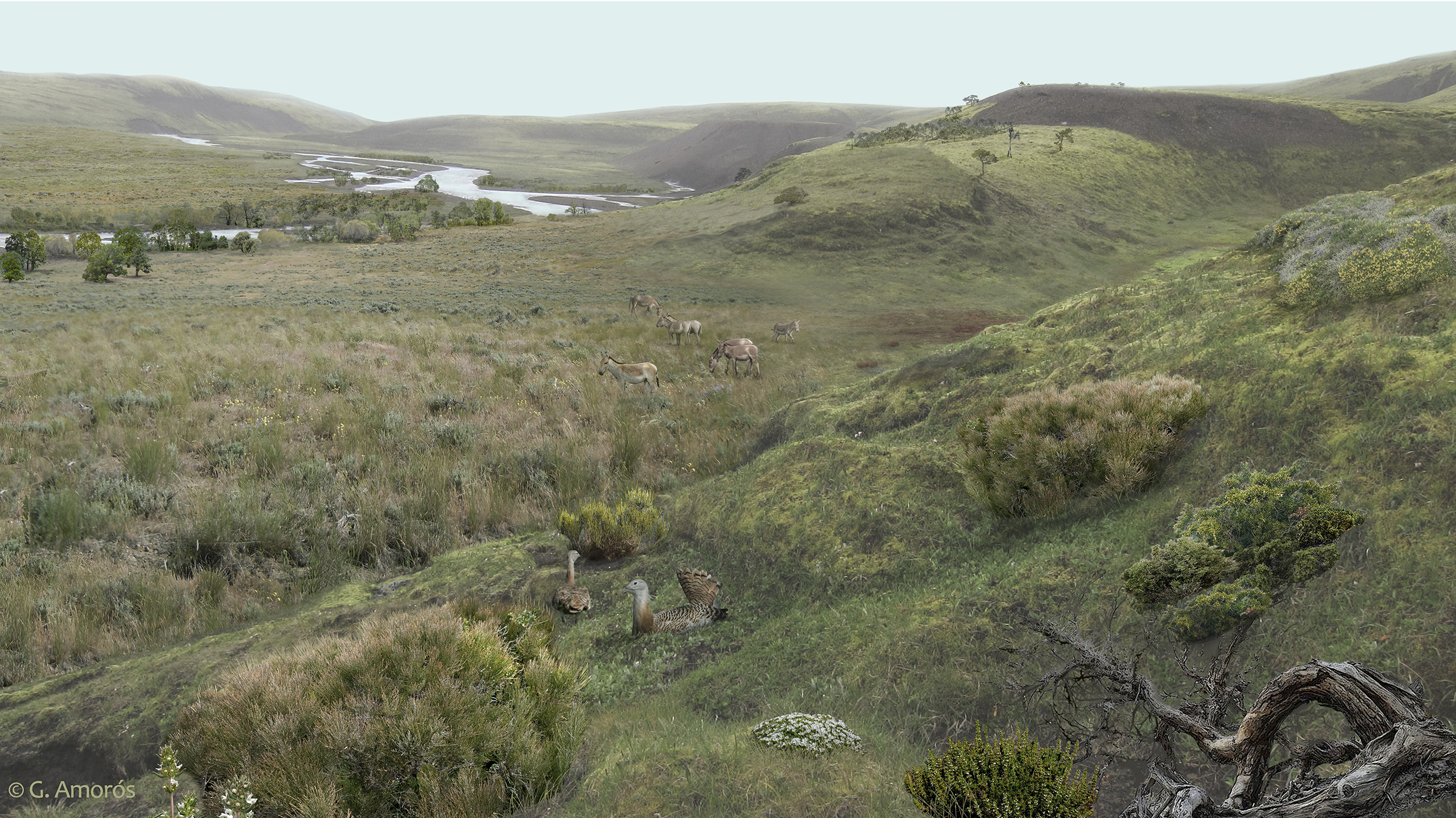
Artistic reconstruction of a cold (stadial) phase of the Pleistocene in the Guadalquivir countryside. Woody angiosperms—including typical riparian taxa (Ulmus, Salix, Fraxinus, Alnus ) as well as oak species—behave as phreatophytes in an otherwise generally arid environment, while herbivory contributes to vegetation structure, resulting in extensive steppe-like areas dominated by grasses, Artemisia, Amaranthaceae, Lamiaceae, Asteraceae, Ephedra, Caryophyllaceae, Genisteae, among others. Pines and junipers occur in small, scattered populations (background, right). In the foreground, great bustards (Otis tarda) and a small grazing group of Equus hydruntinus, the European wild ass.
Carrión JS, Morales-Molino C., Amorós G. 2026. Deep-time vegetation history of Palaearctic steppes: a context for avifauna. In: Barrero A, Morales M, García J. (eds), Steppe birds: their habitat, ecology, trends, and conservation challenges. Wildlife Research Monographs, Springer, Cham, Switzerland (in revision)